

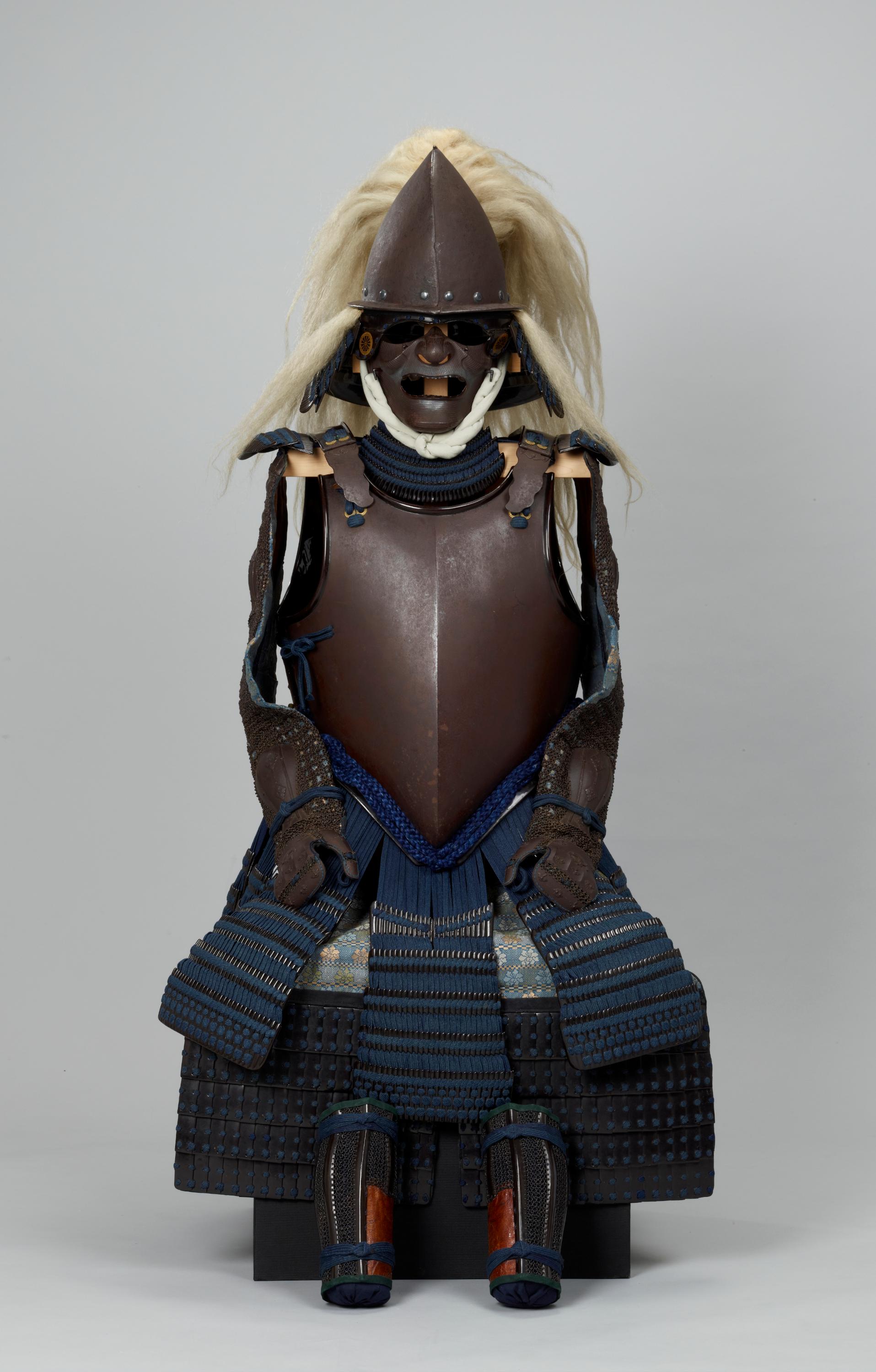
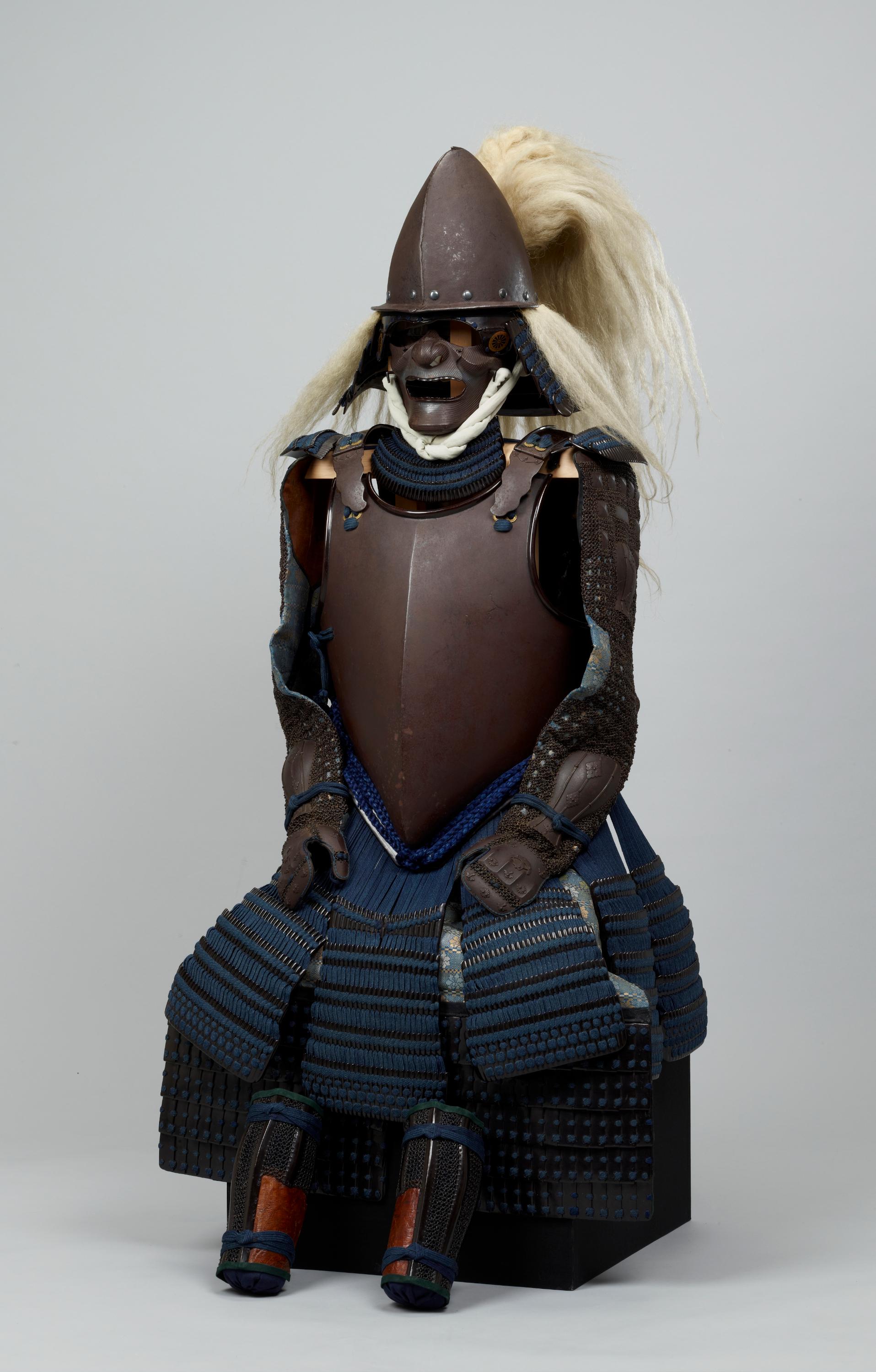
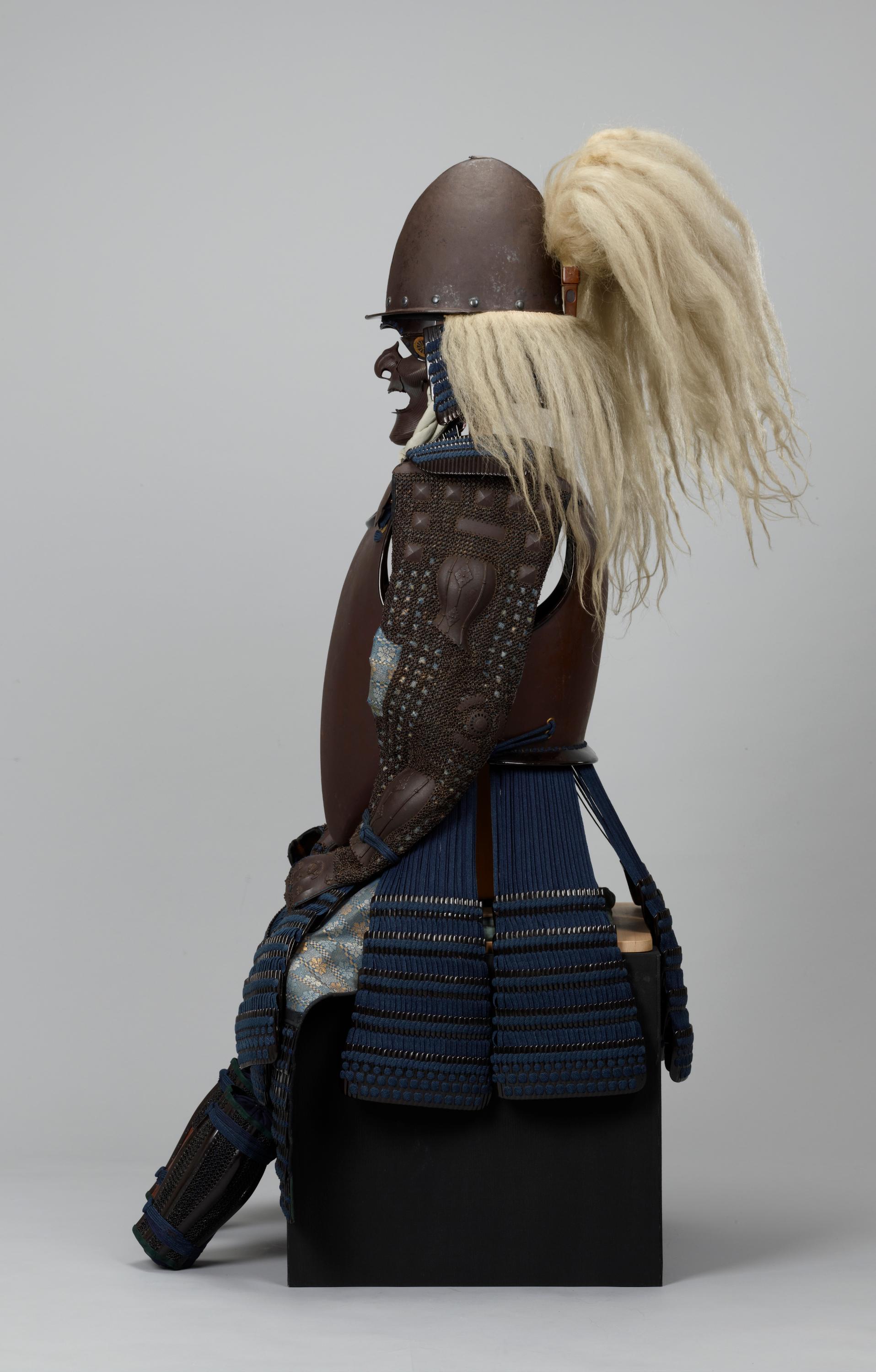
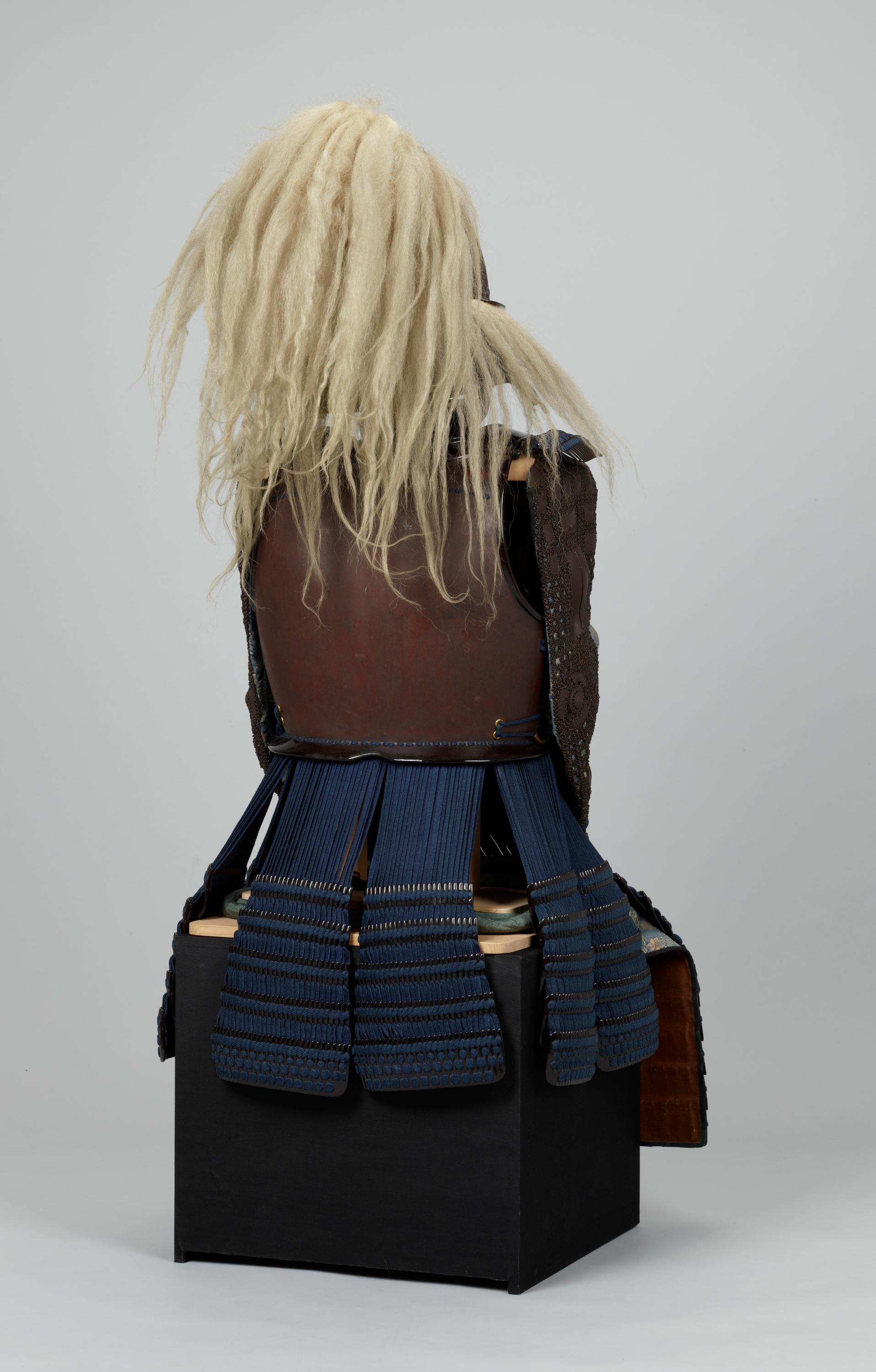
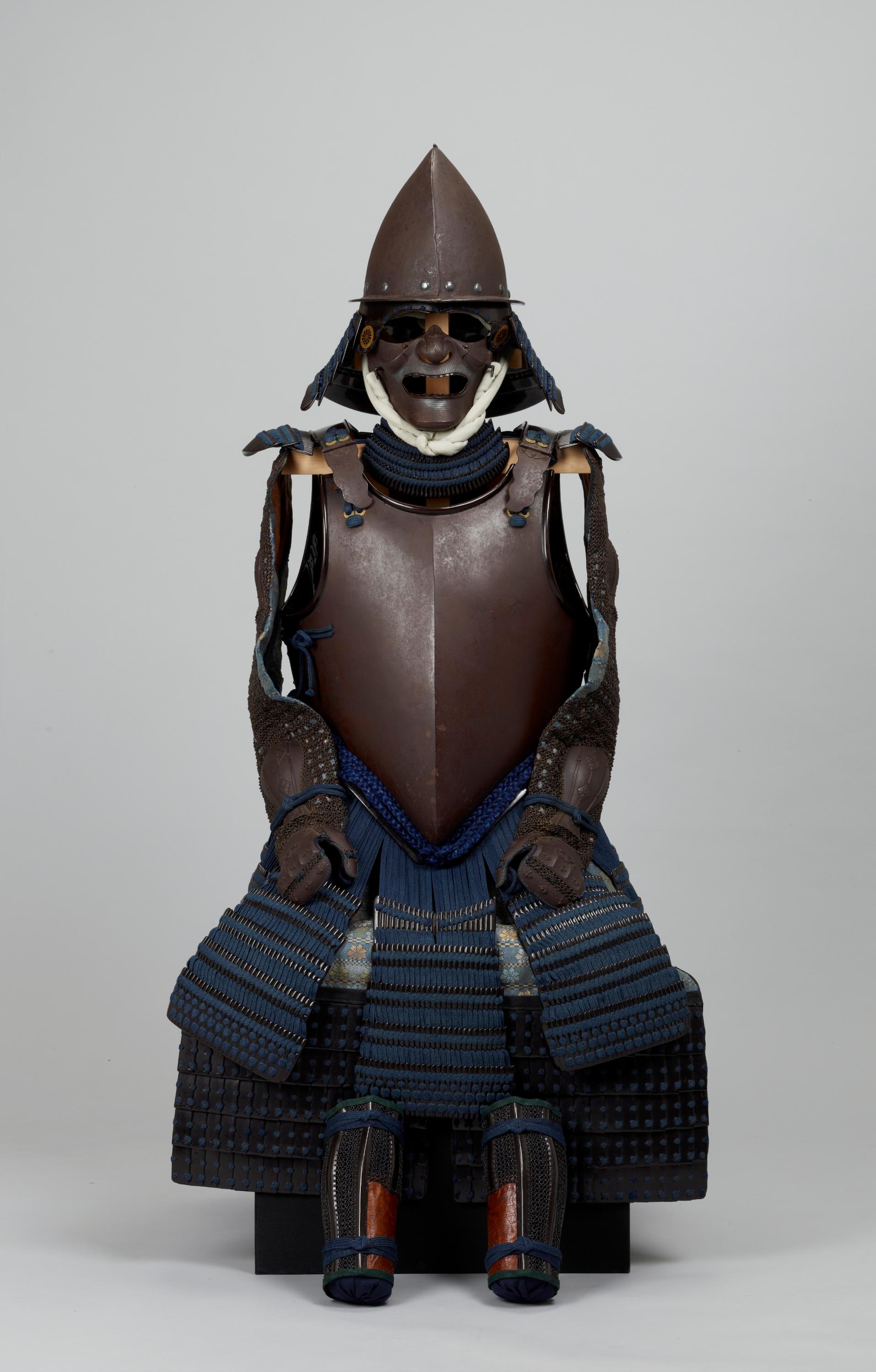
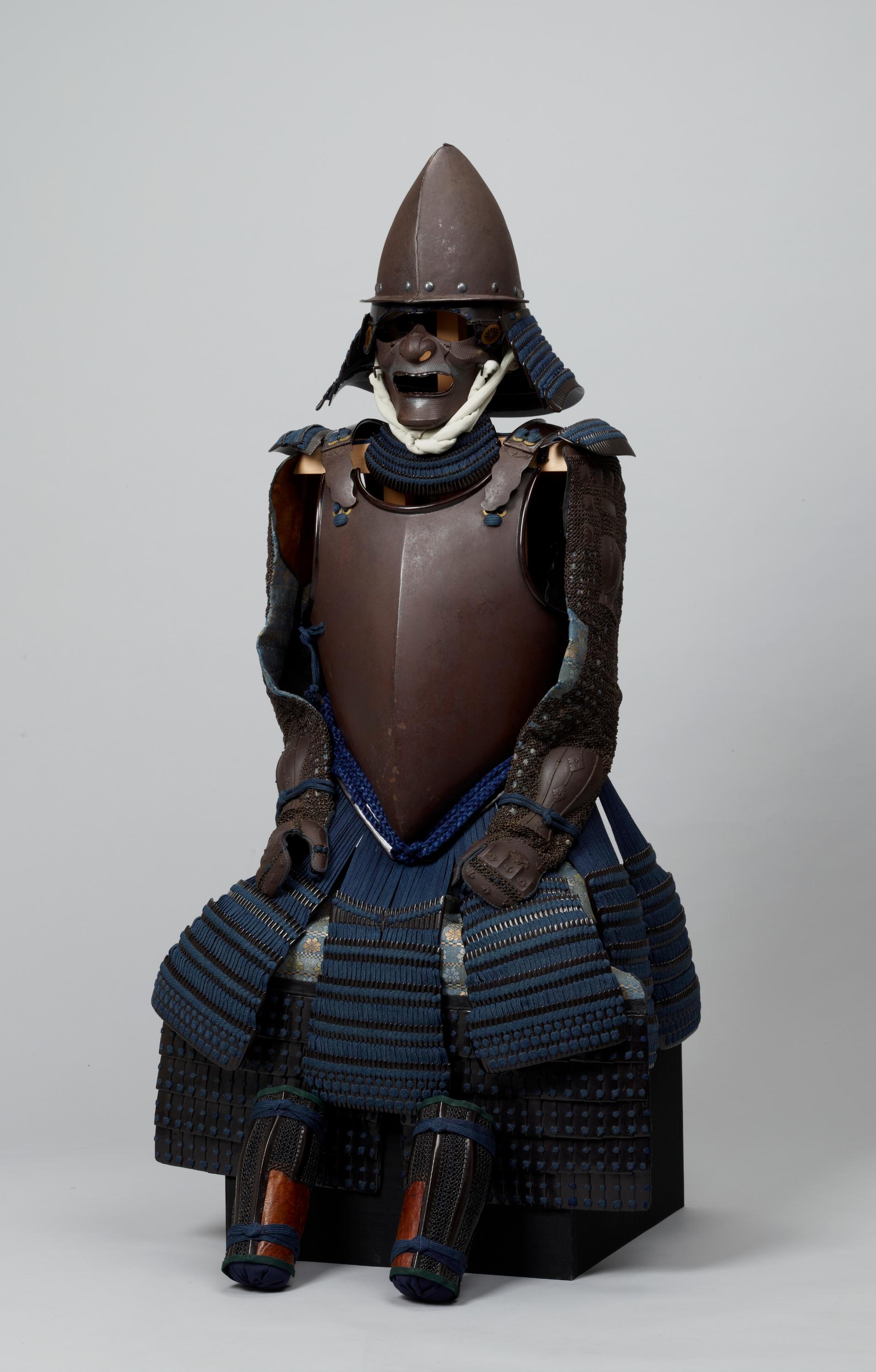
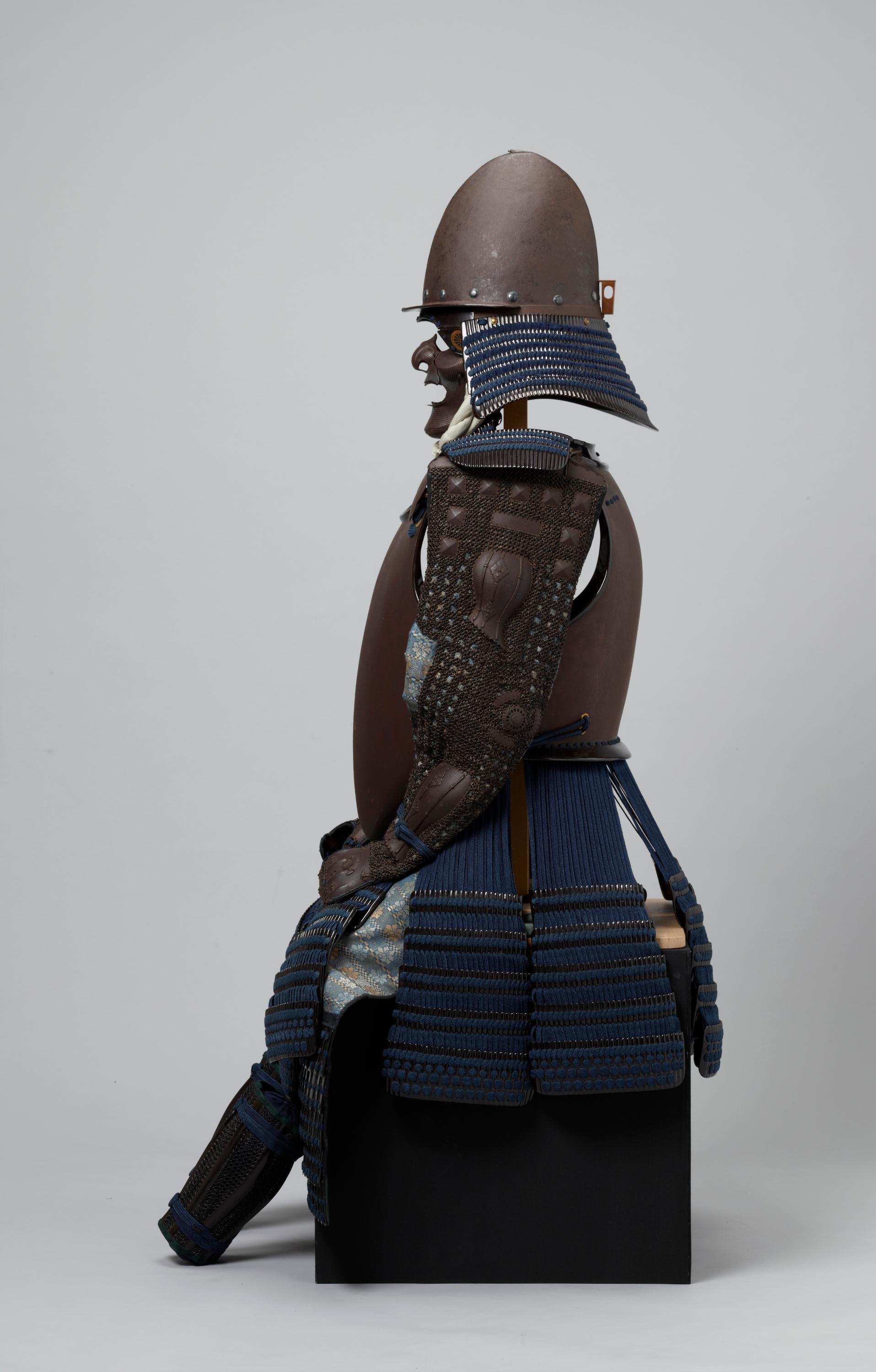
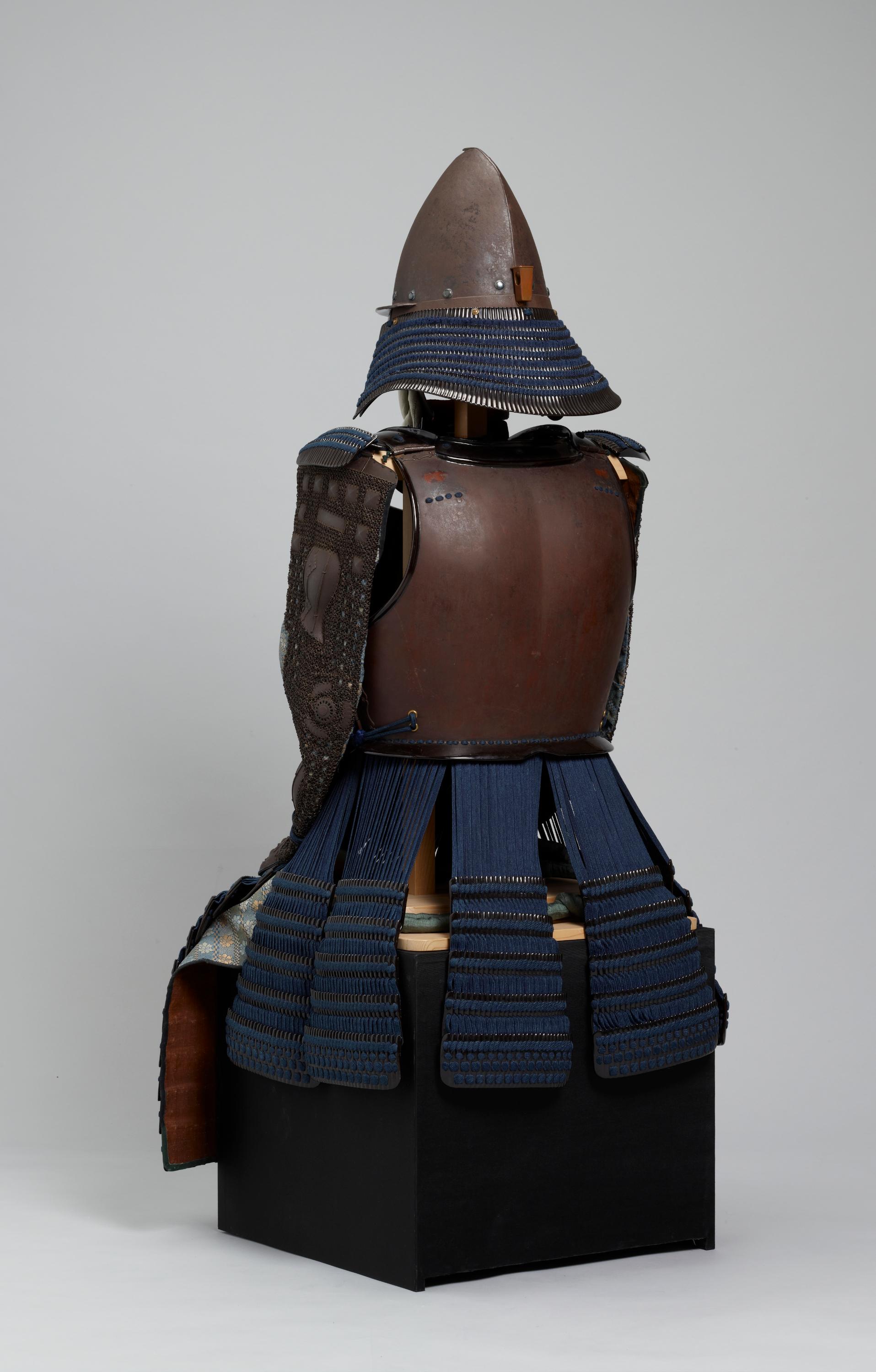
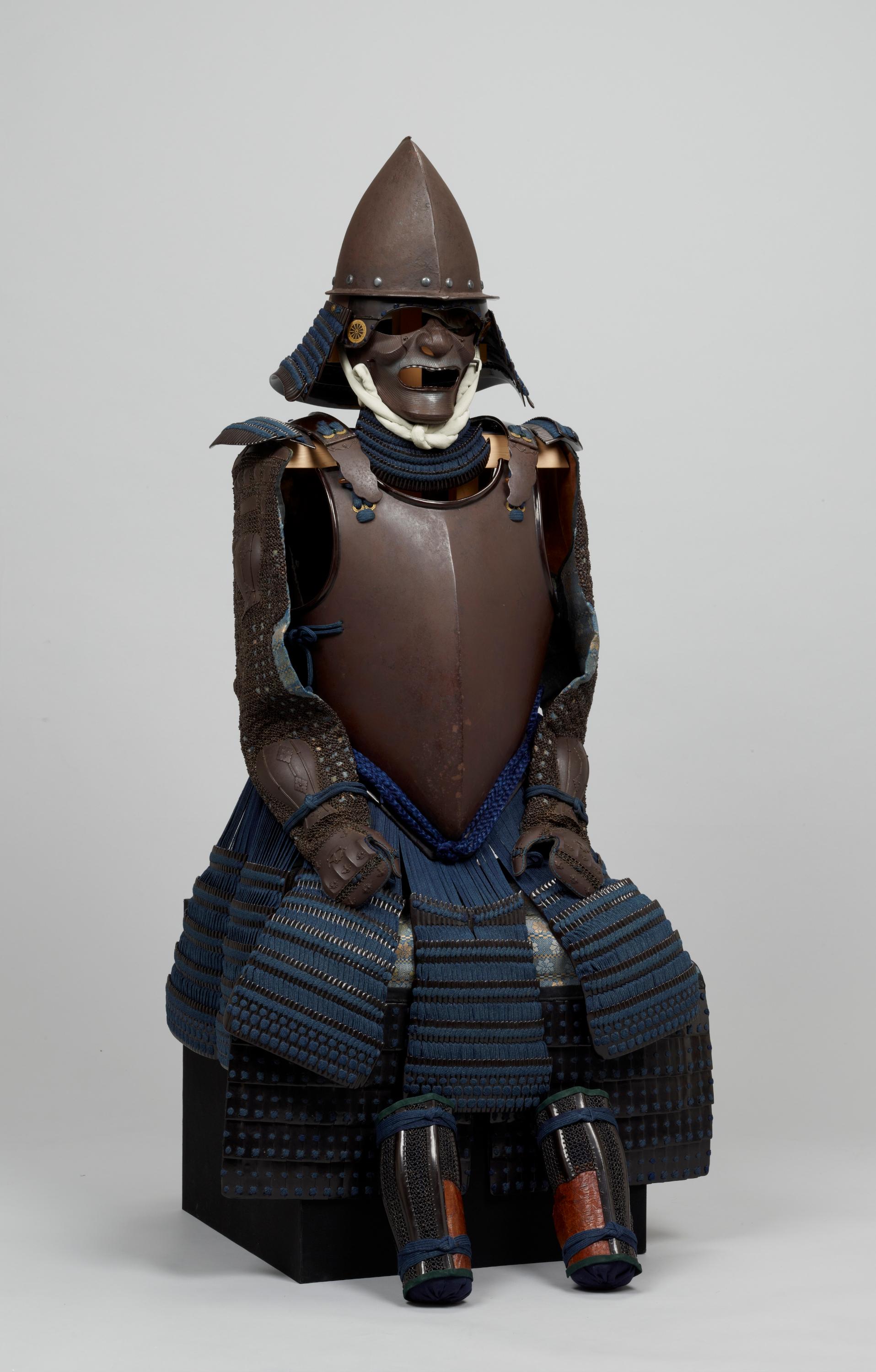
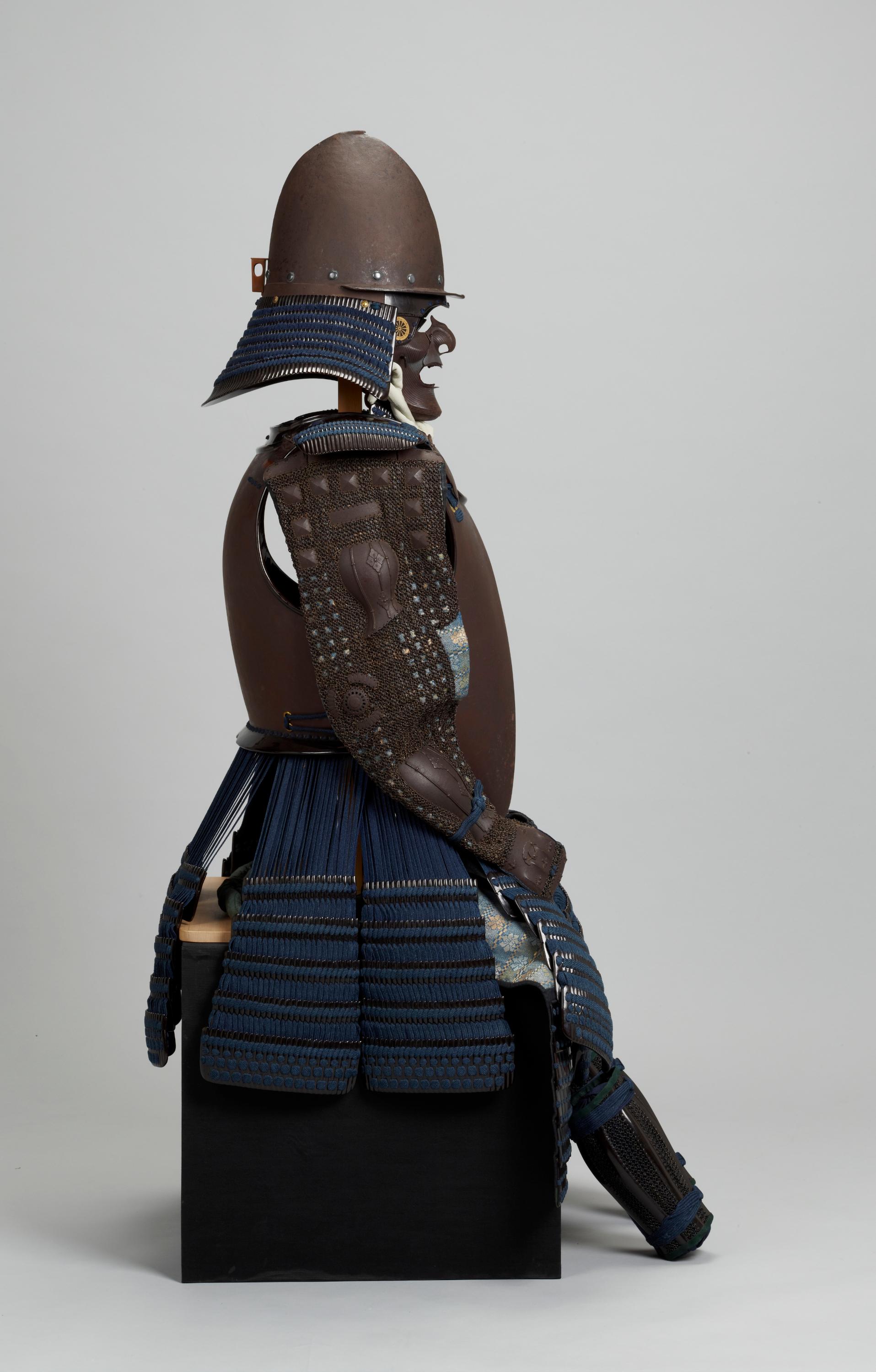
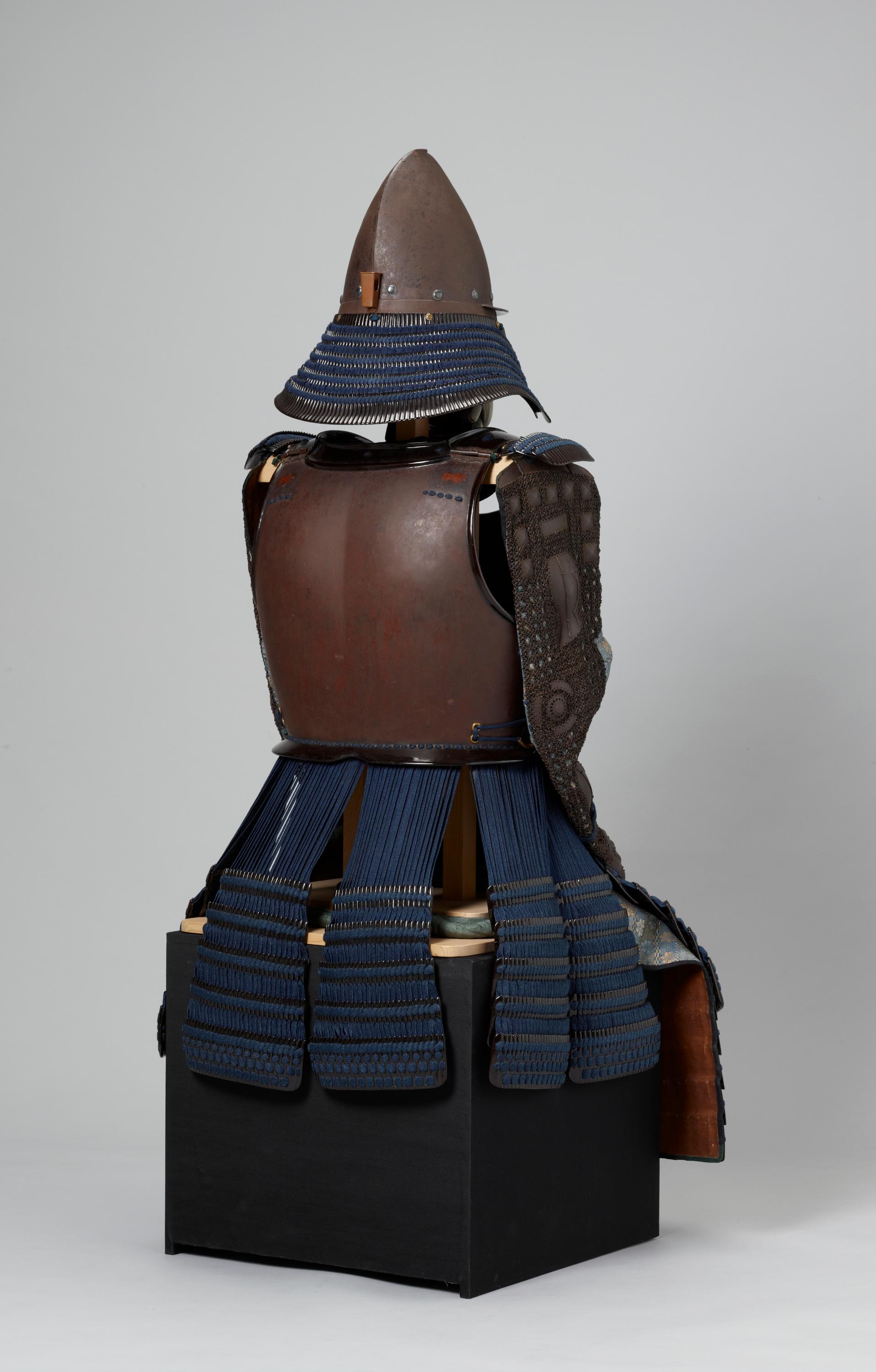
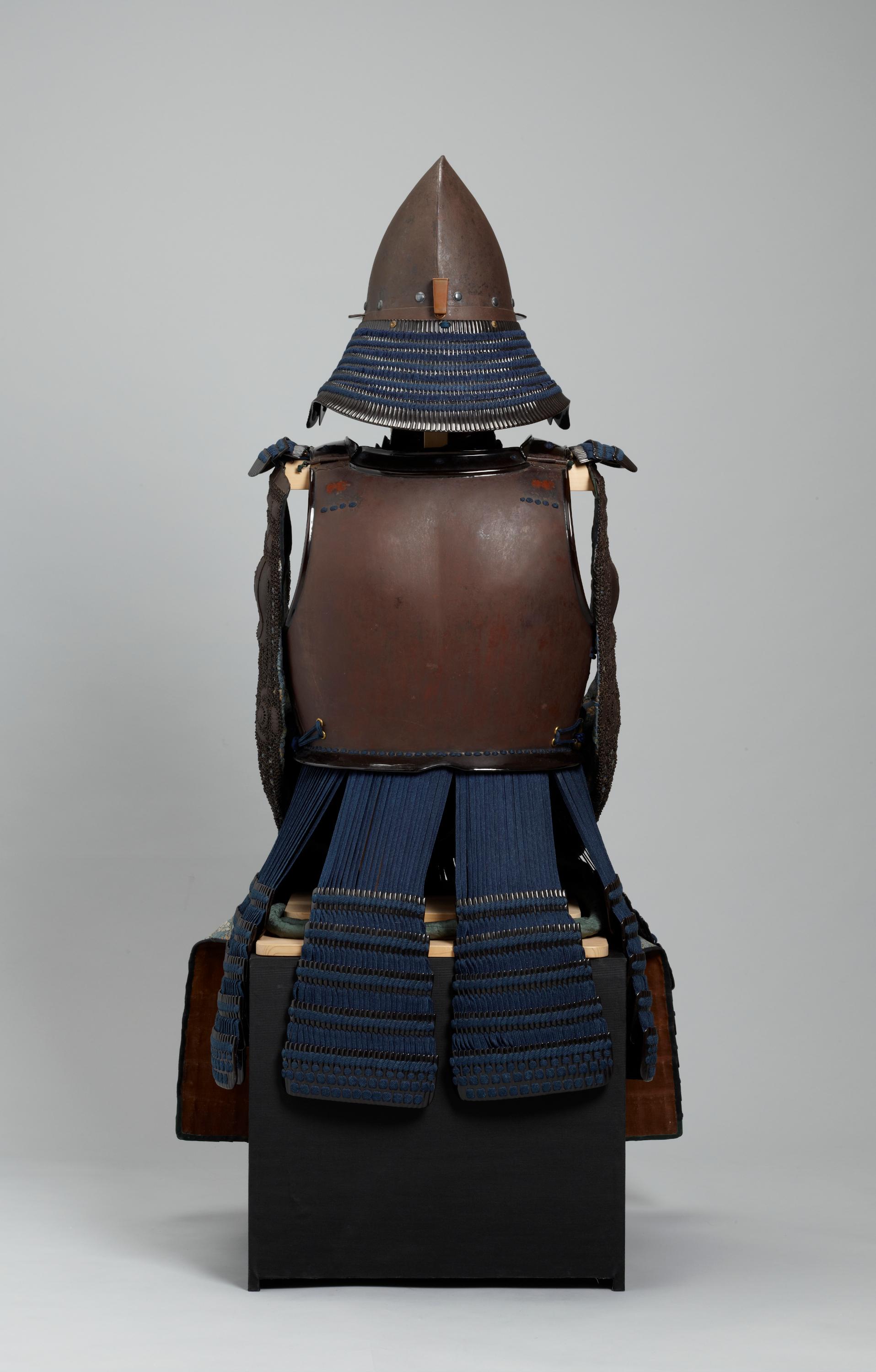
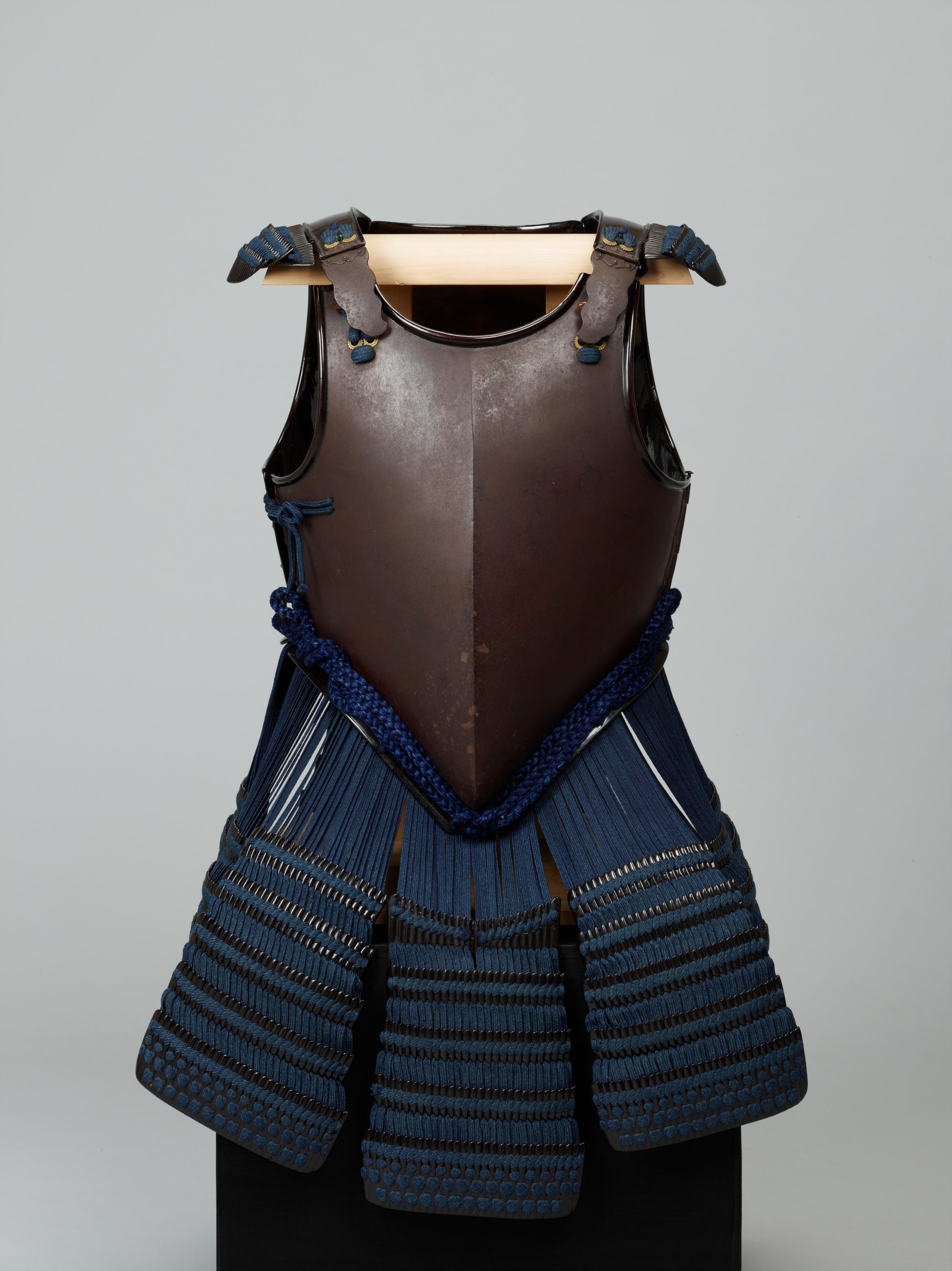
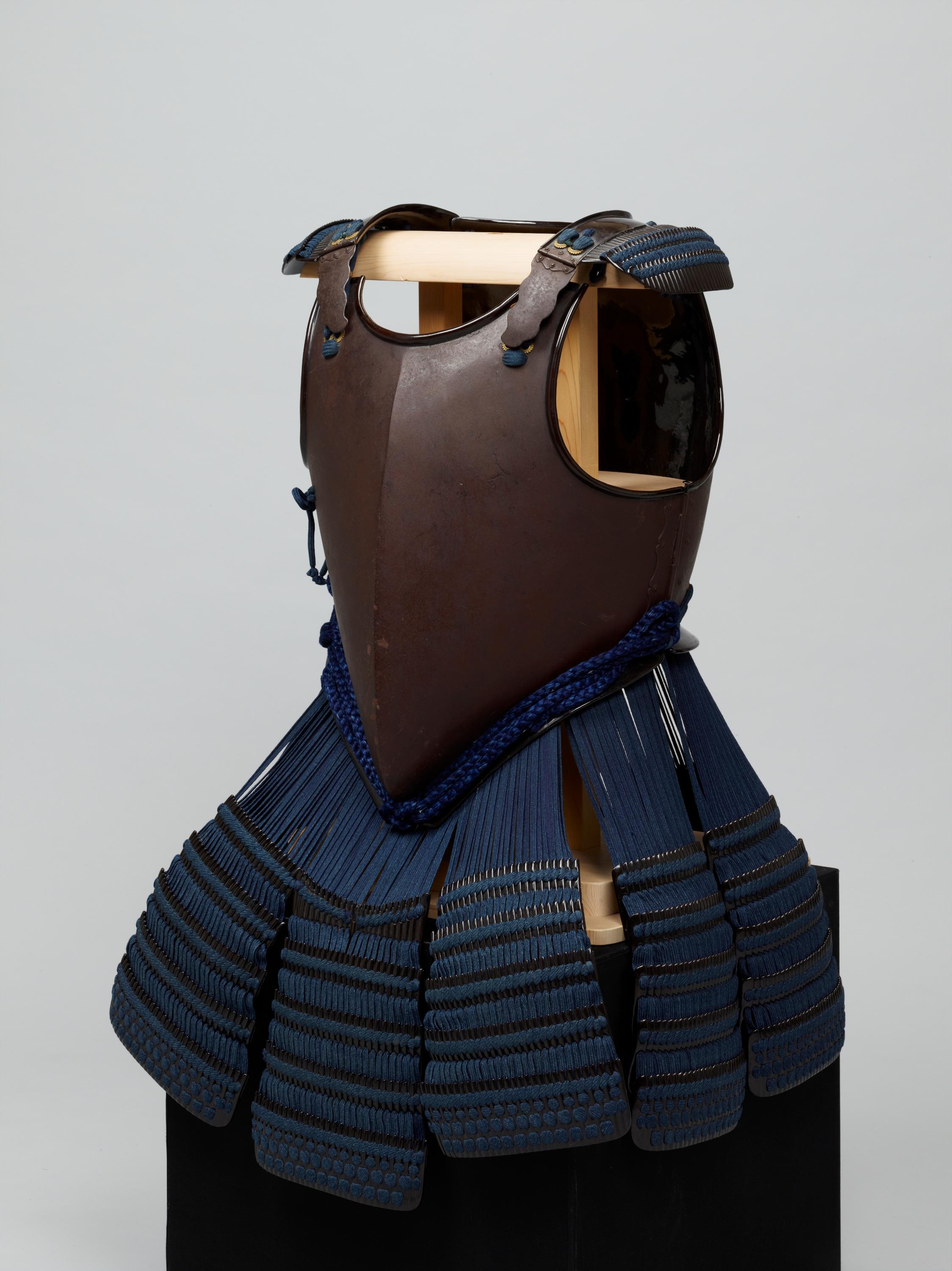
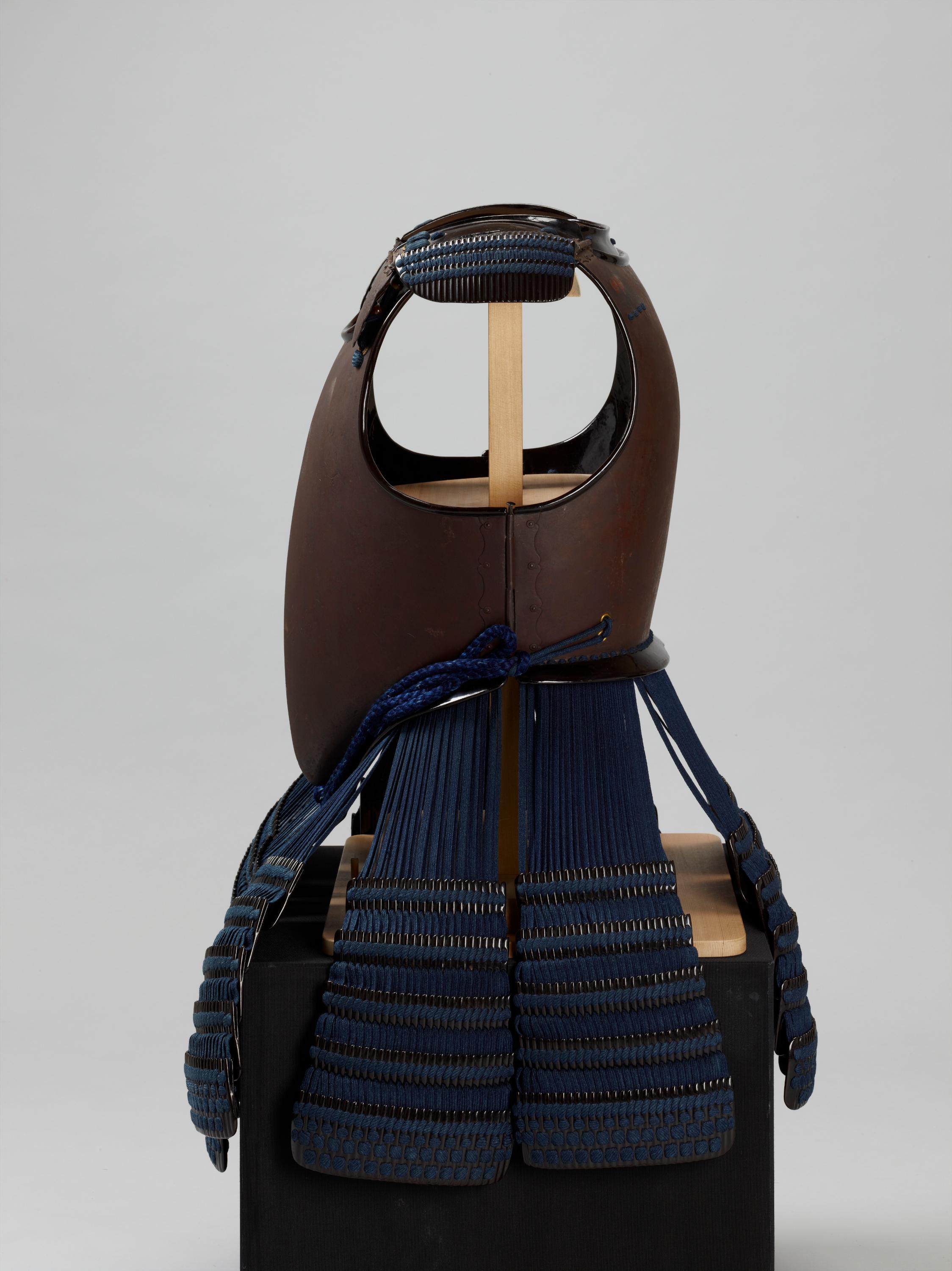
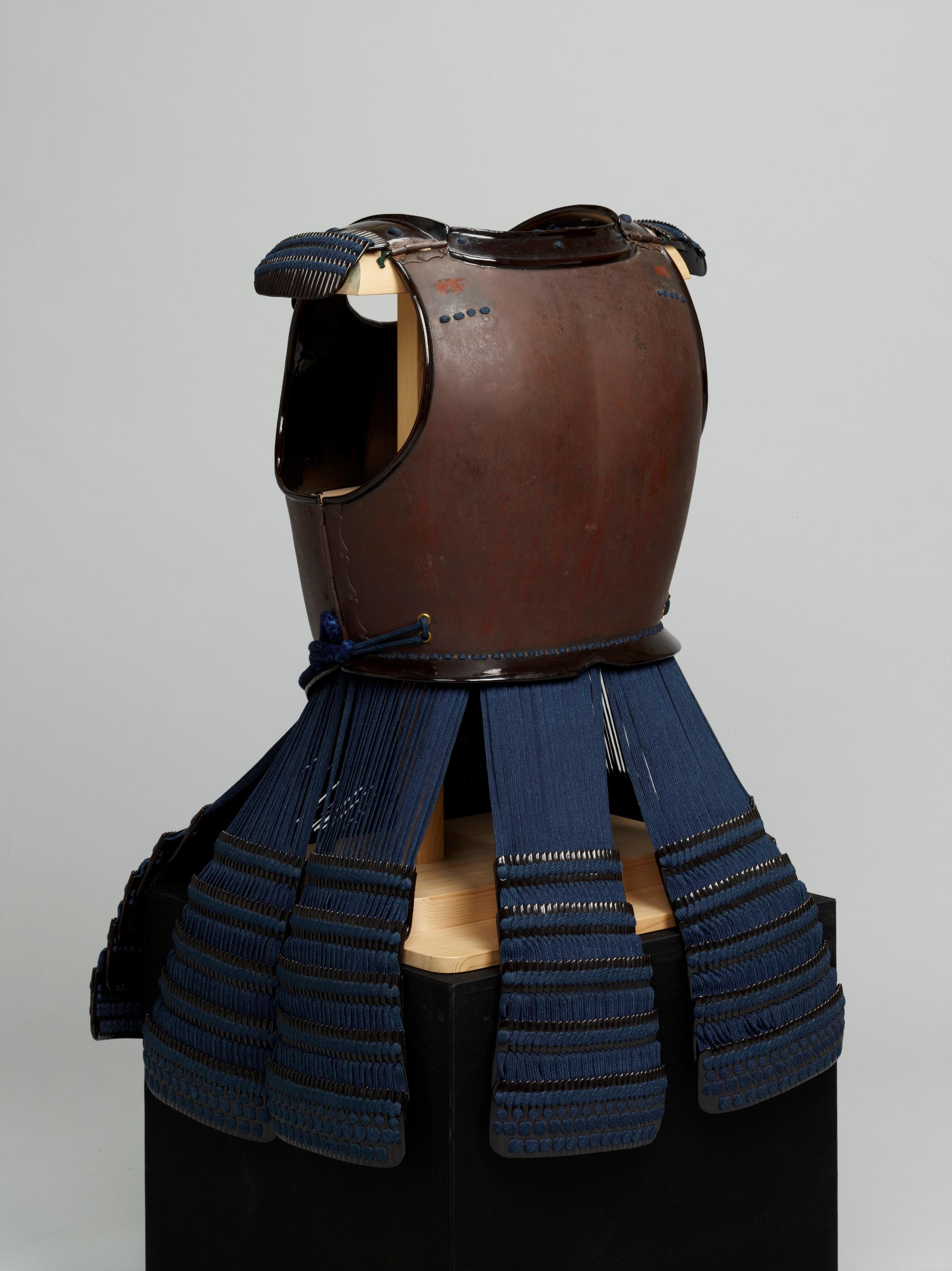
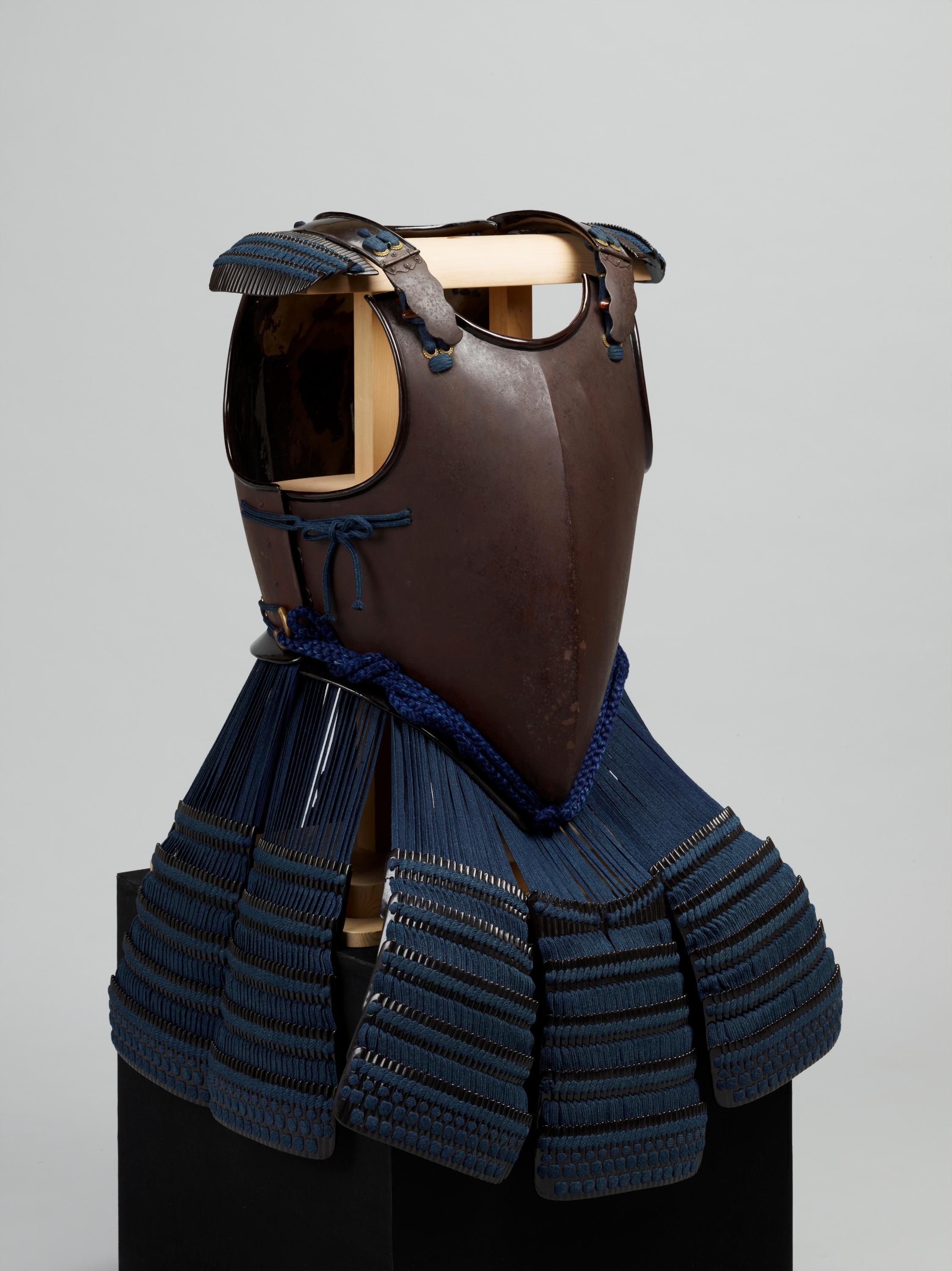
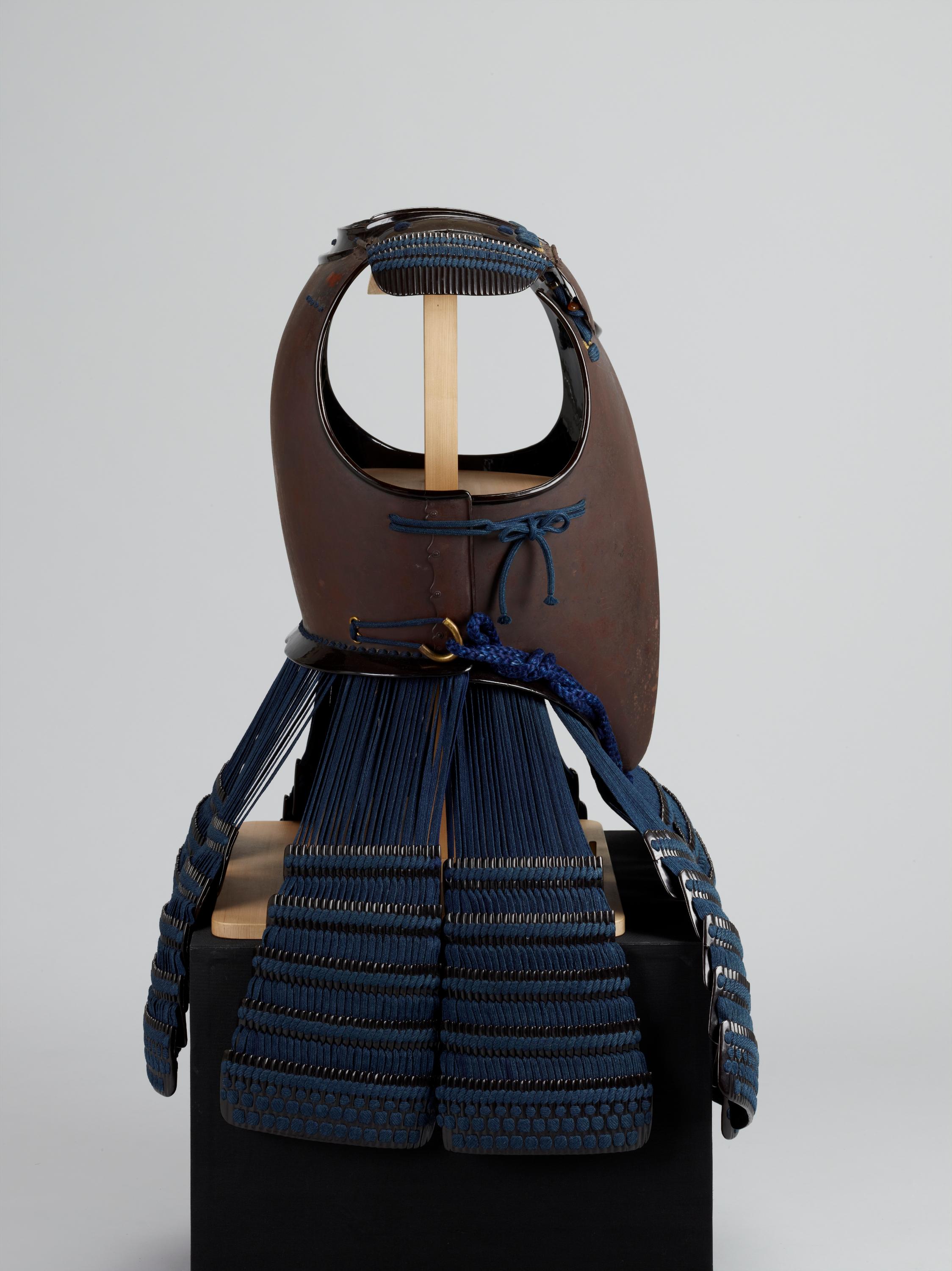
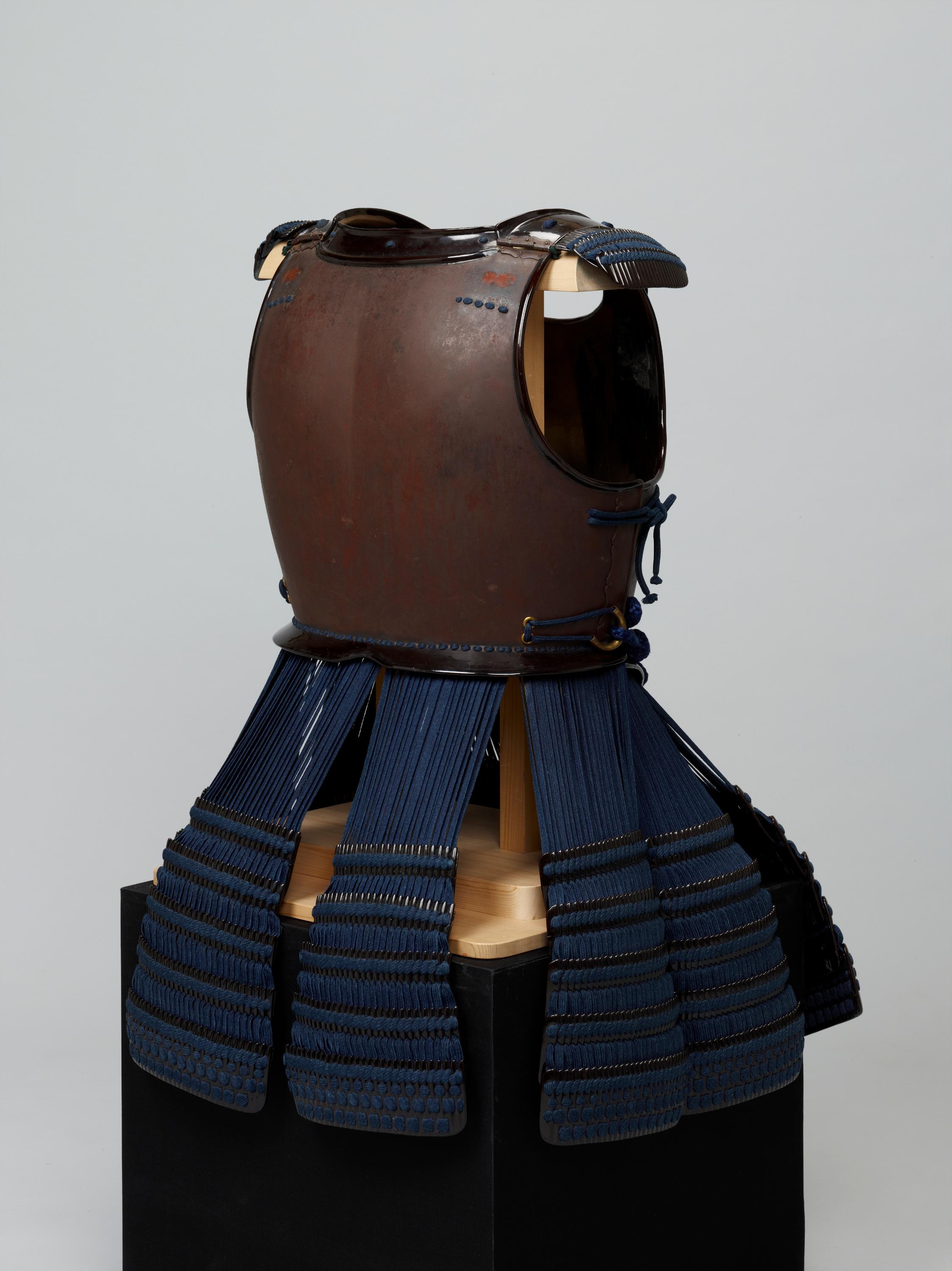
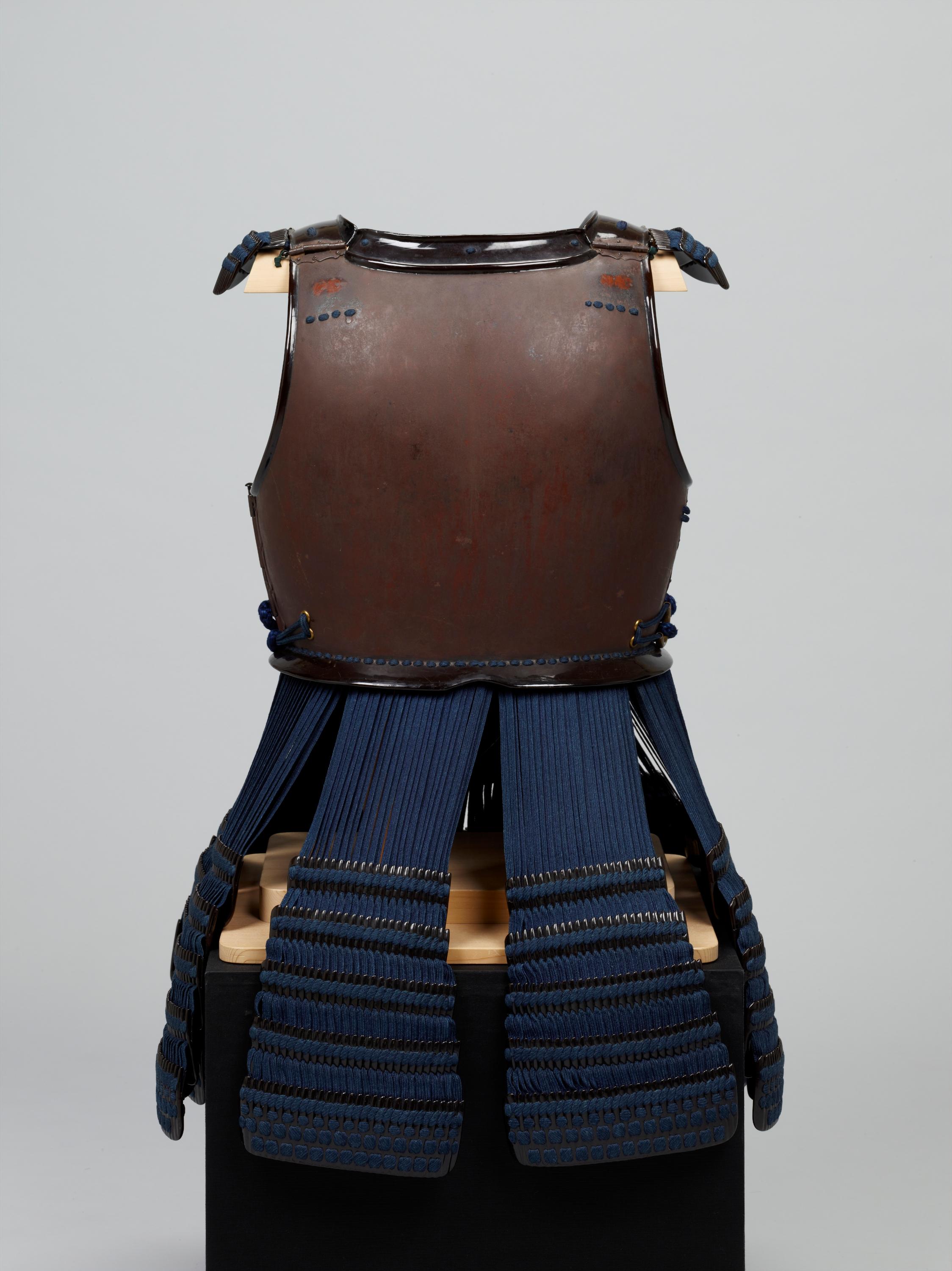
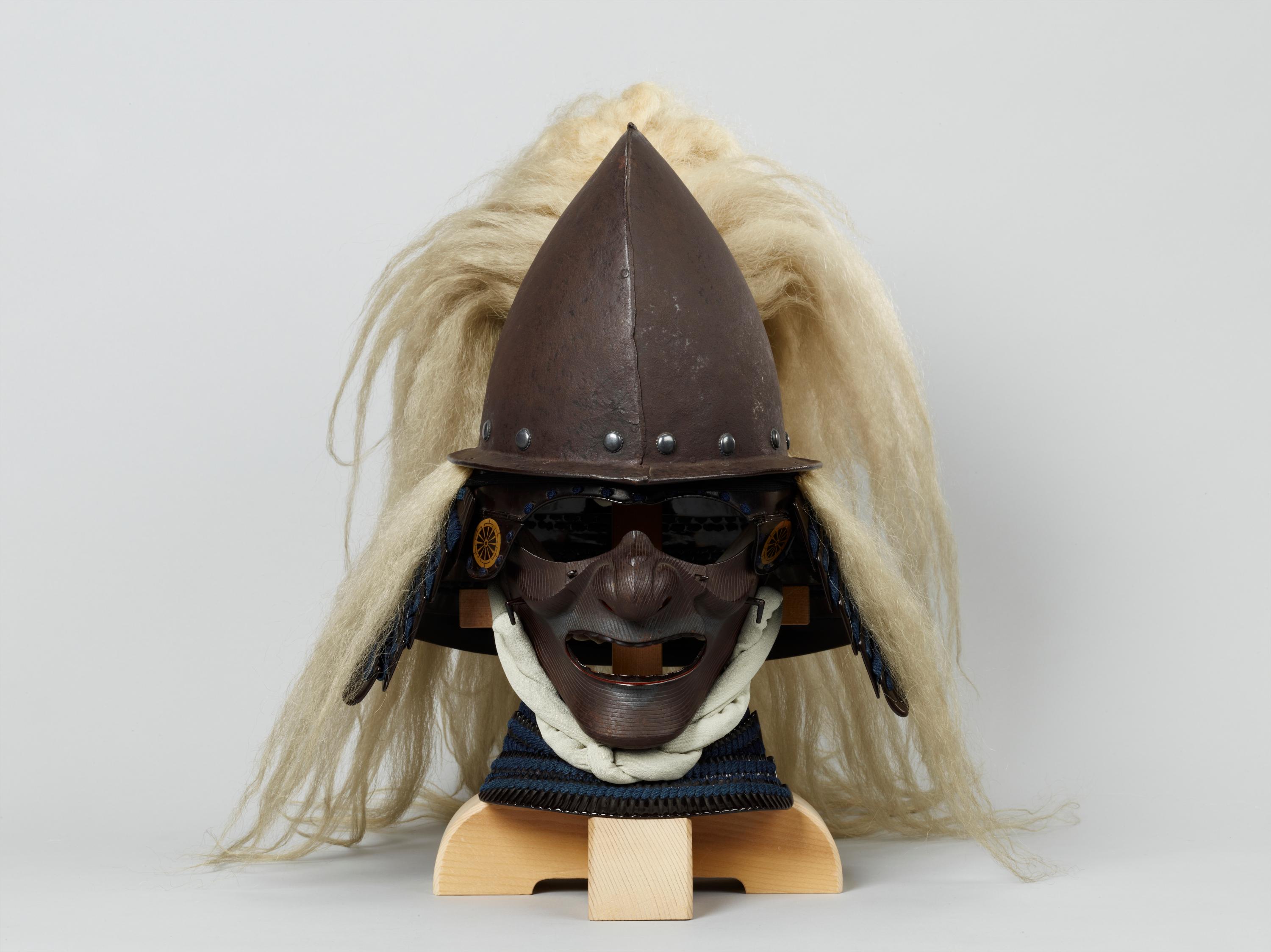
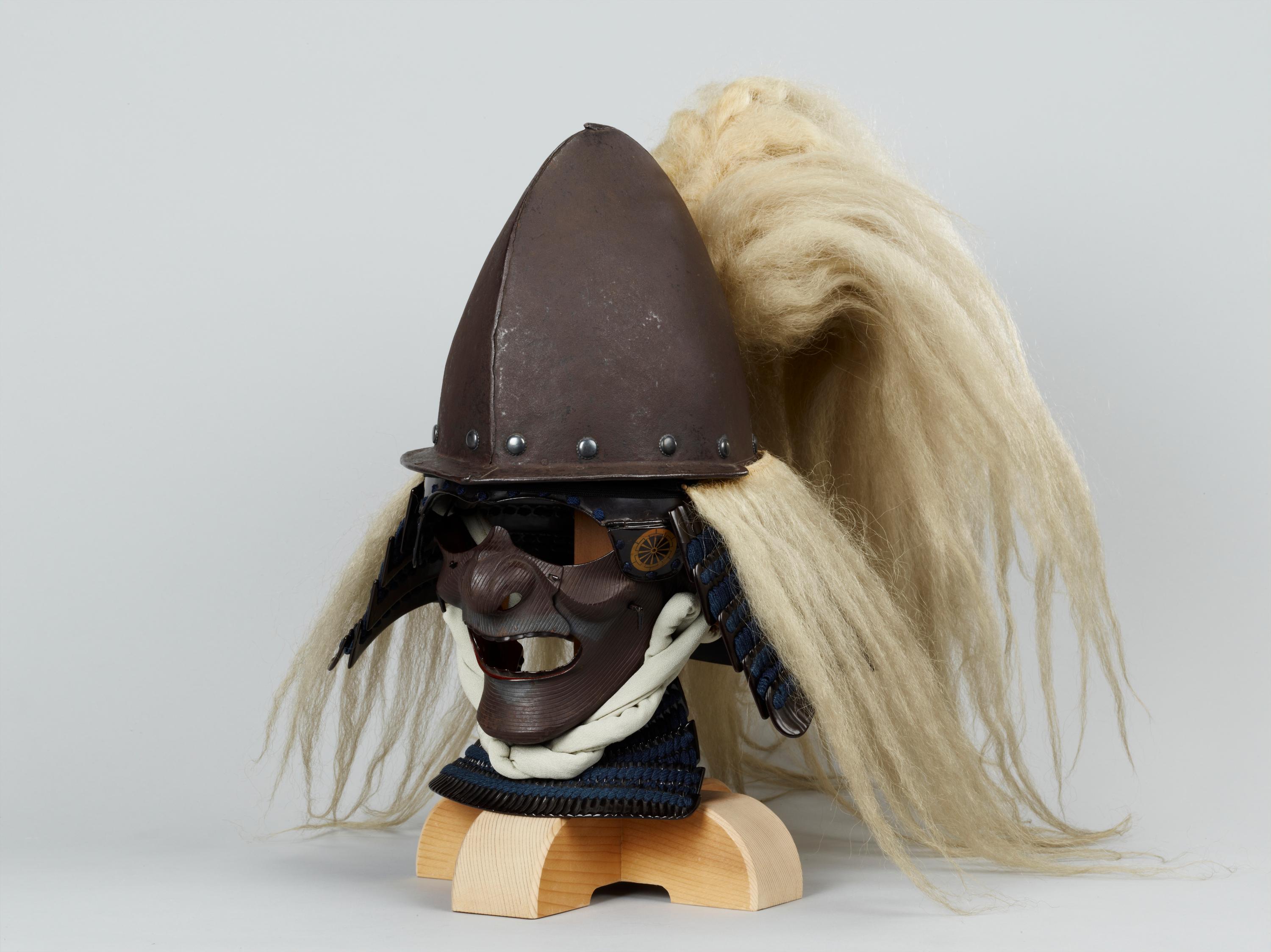
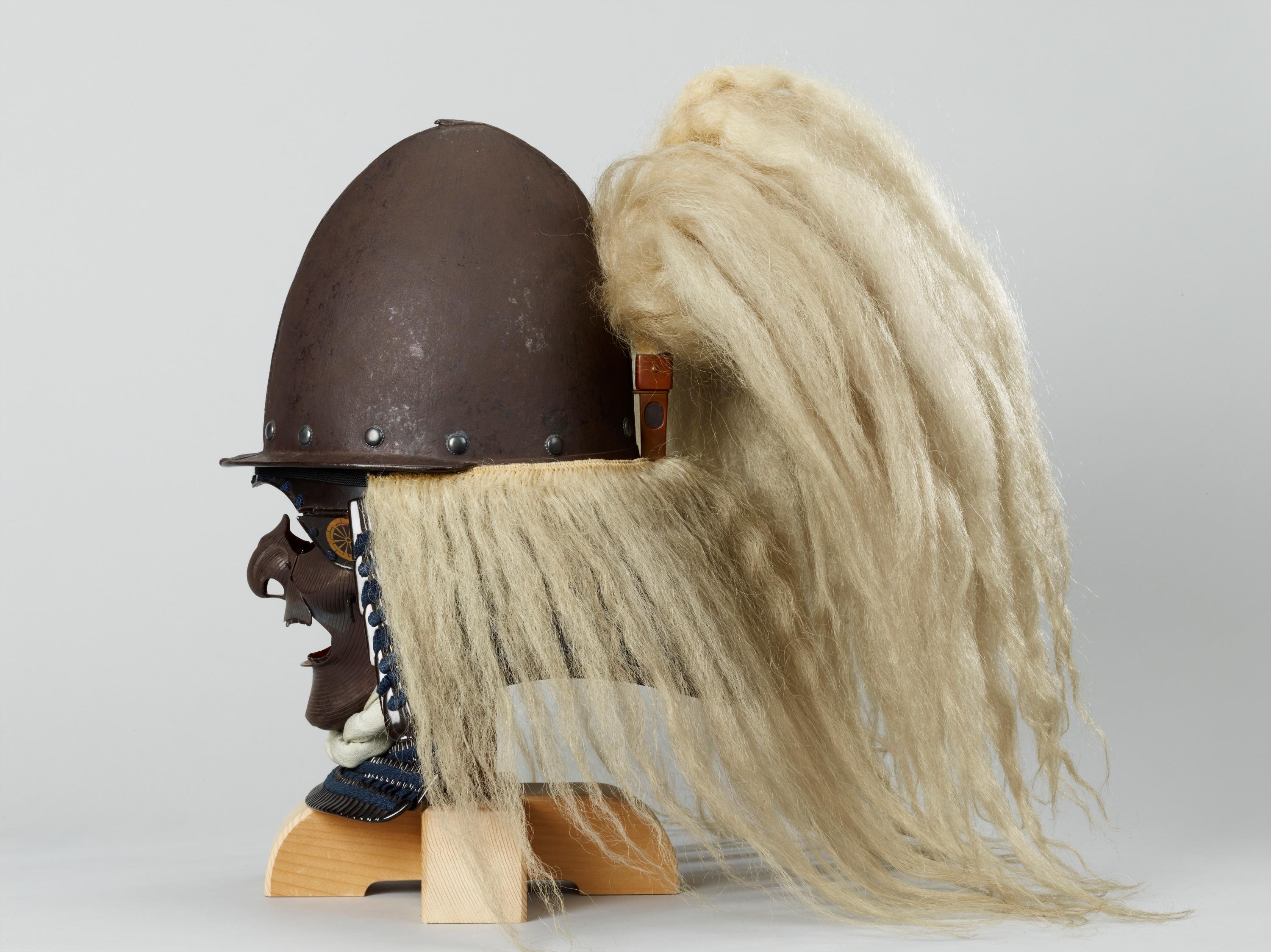
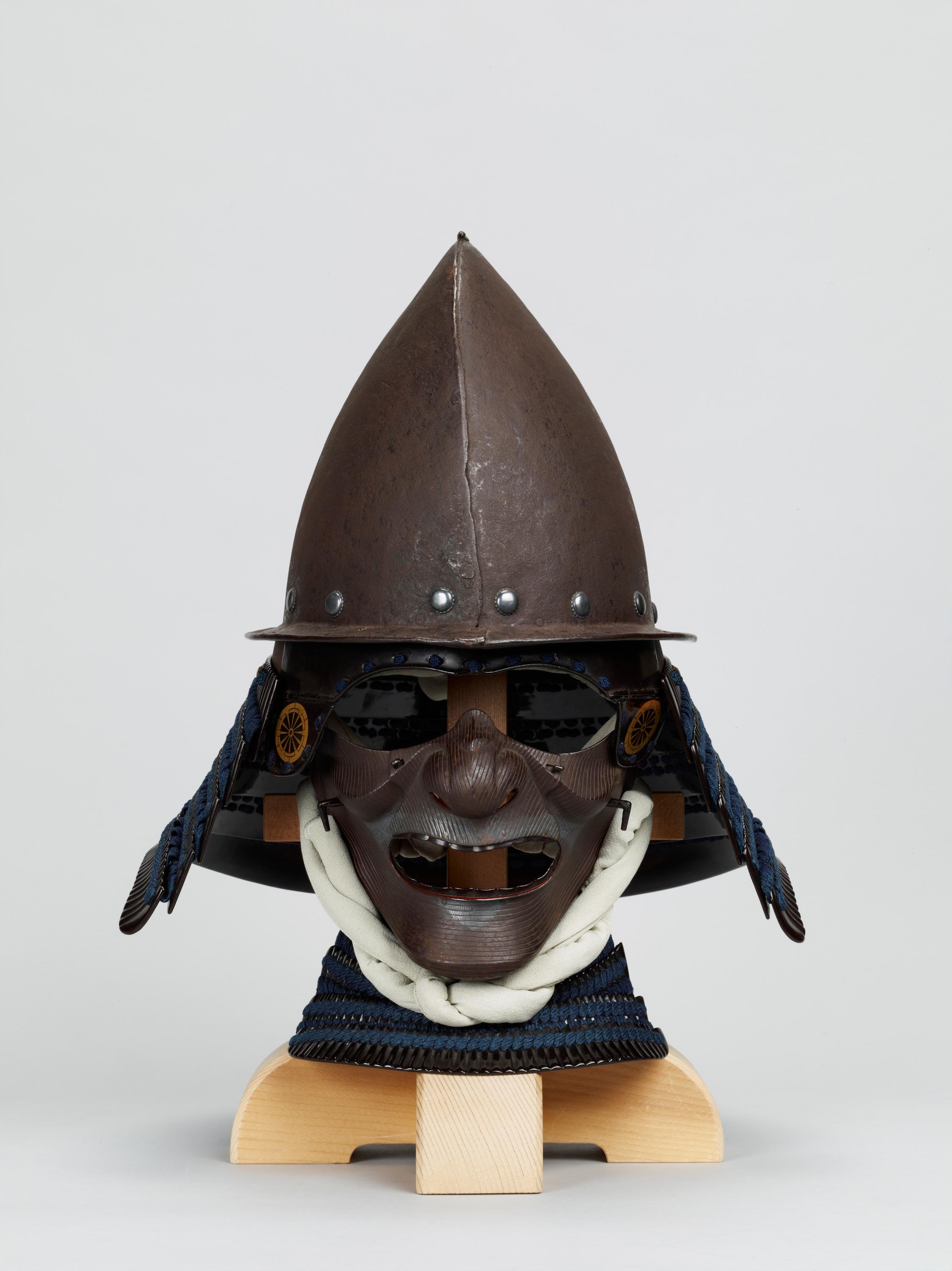


Dark Blue Silk-Laced Armor with Nanban-style Cuirass and White Yak Haired Helmet
Battledress
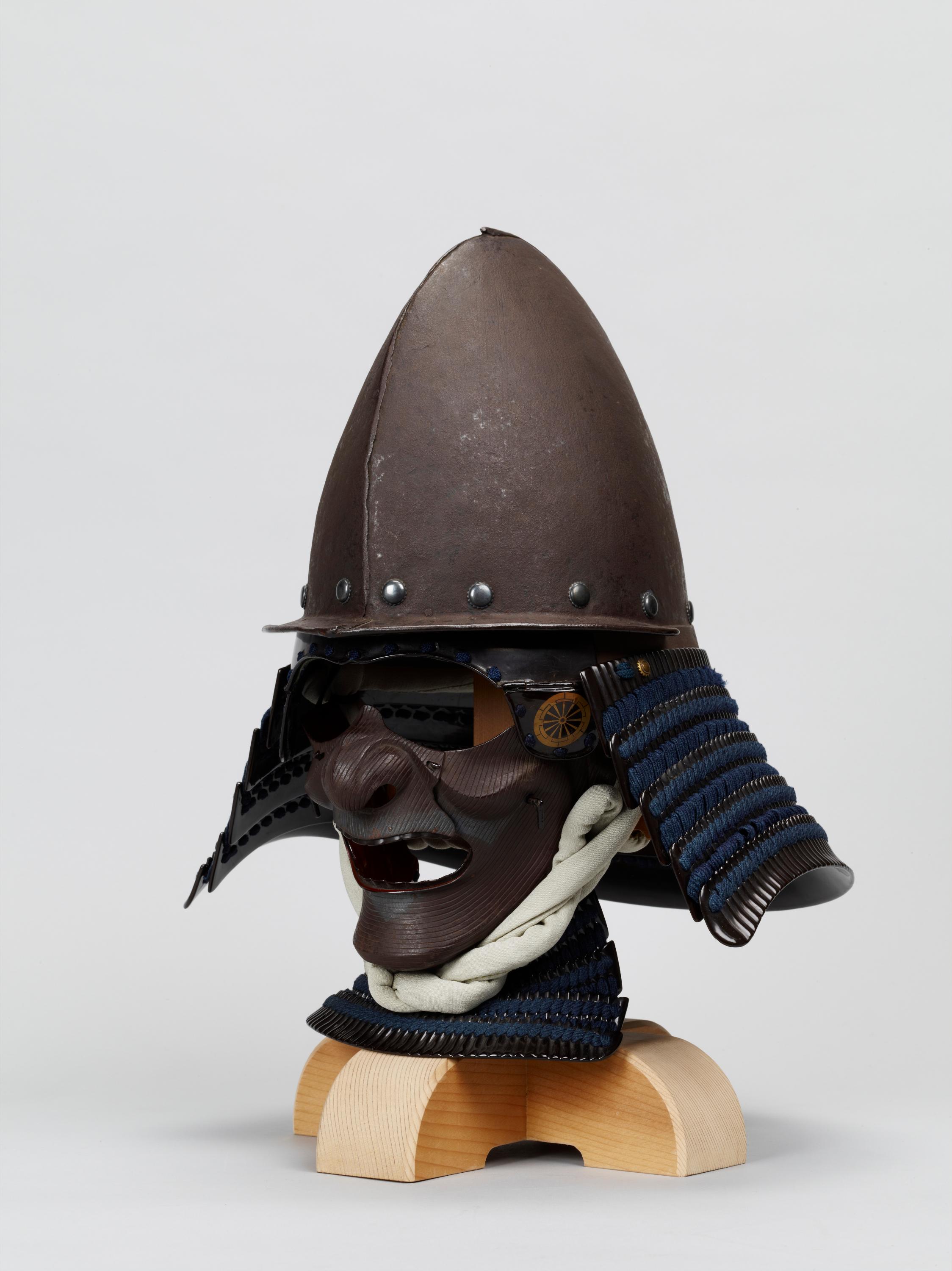
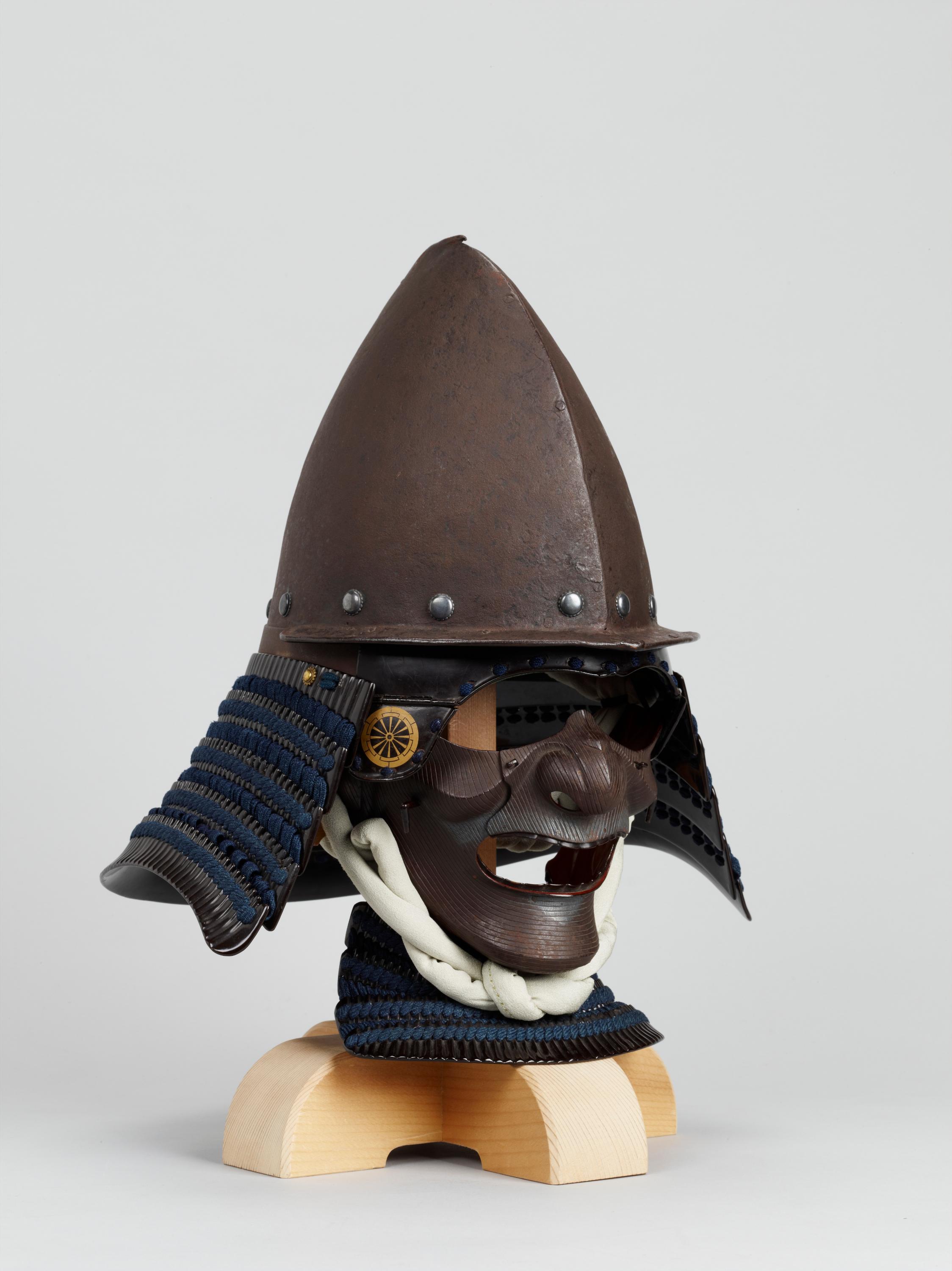
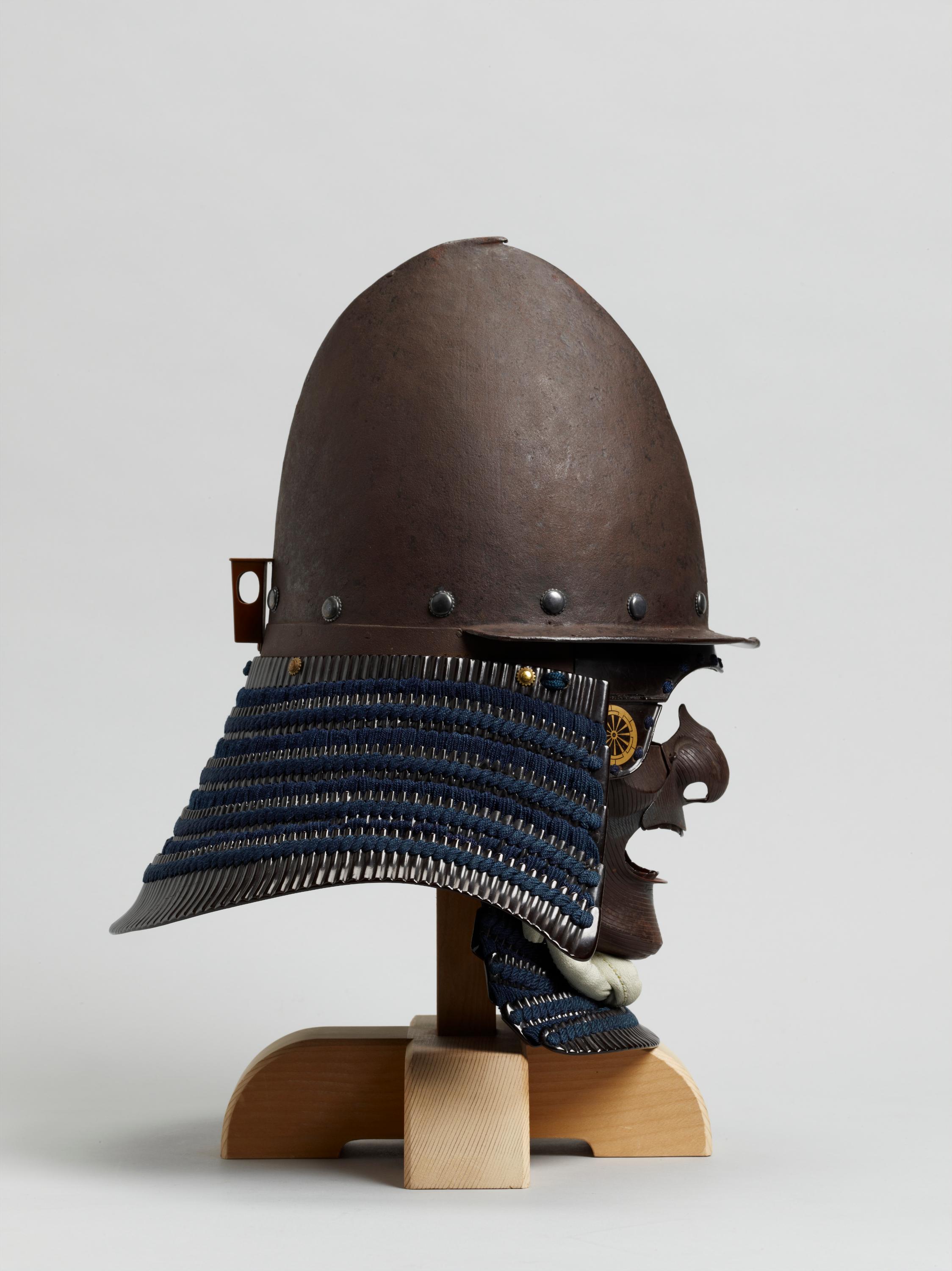
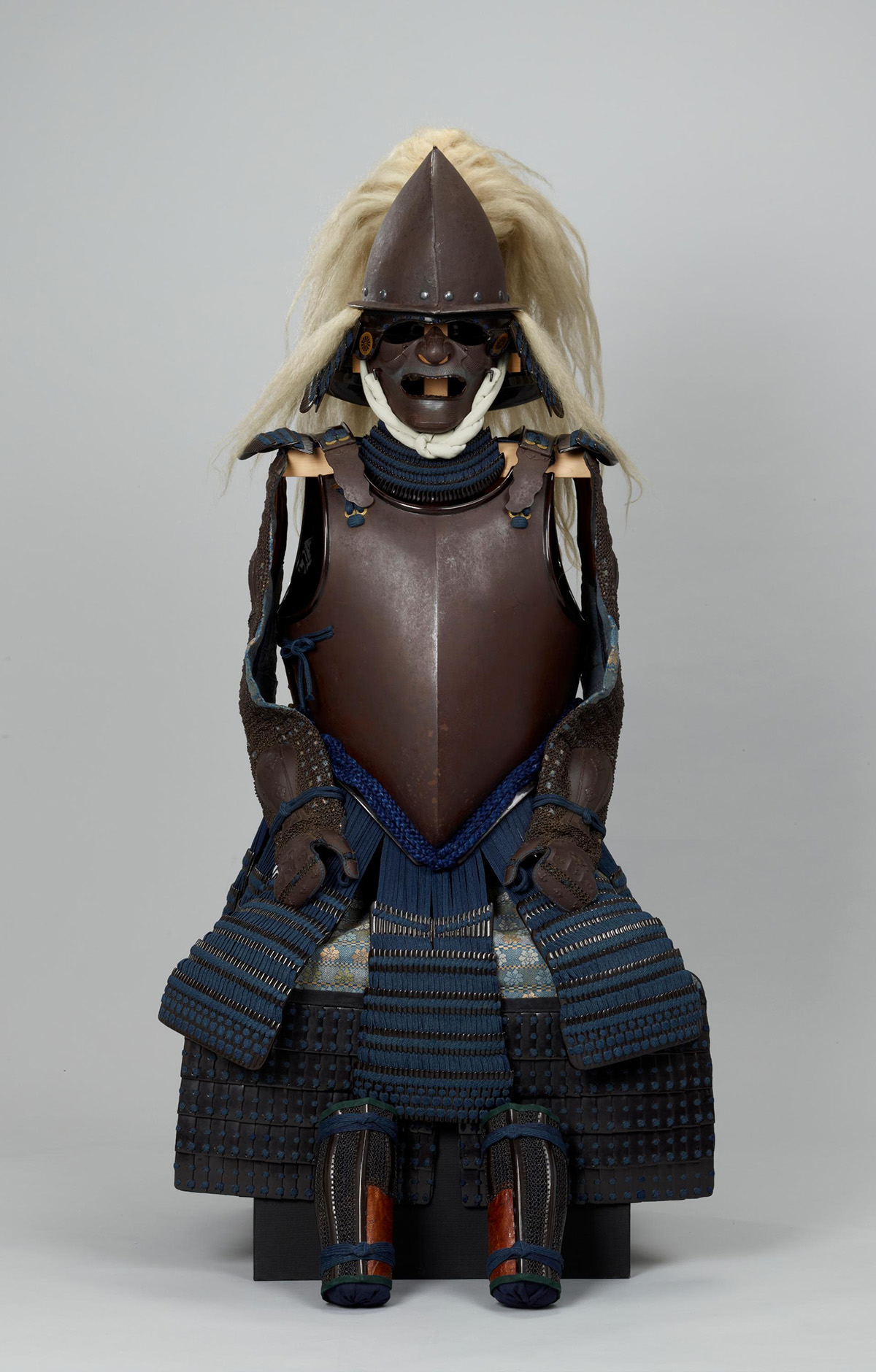
Through the Nanban trade of the sixteenth century, European armor reached Japan and was soon imitated by Japanese craftsmen; such pieces came to be known as Nanban dō gusoku (Nanban-style armor). This particular armor was presented by Tokugawa Ieyasu to Sakakibara Yasumasa (1548–1606), one of the Tokugawa Four Heavenly Kings, shortly before the Battle of Sekigahara in 1600 and thereafter remained in the Sakakibara family.
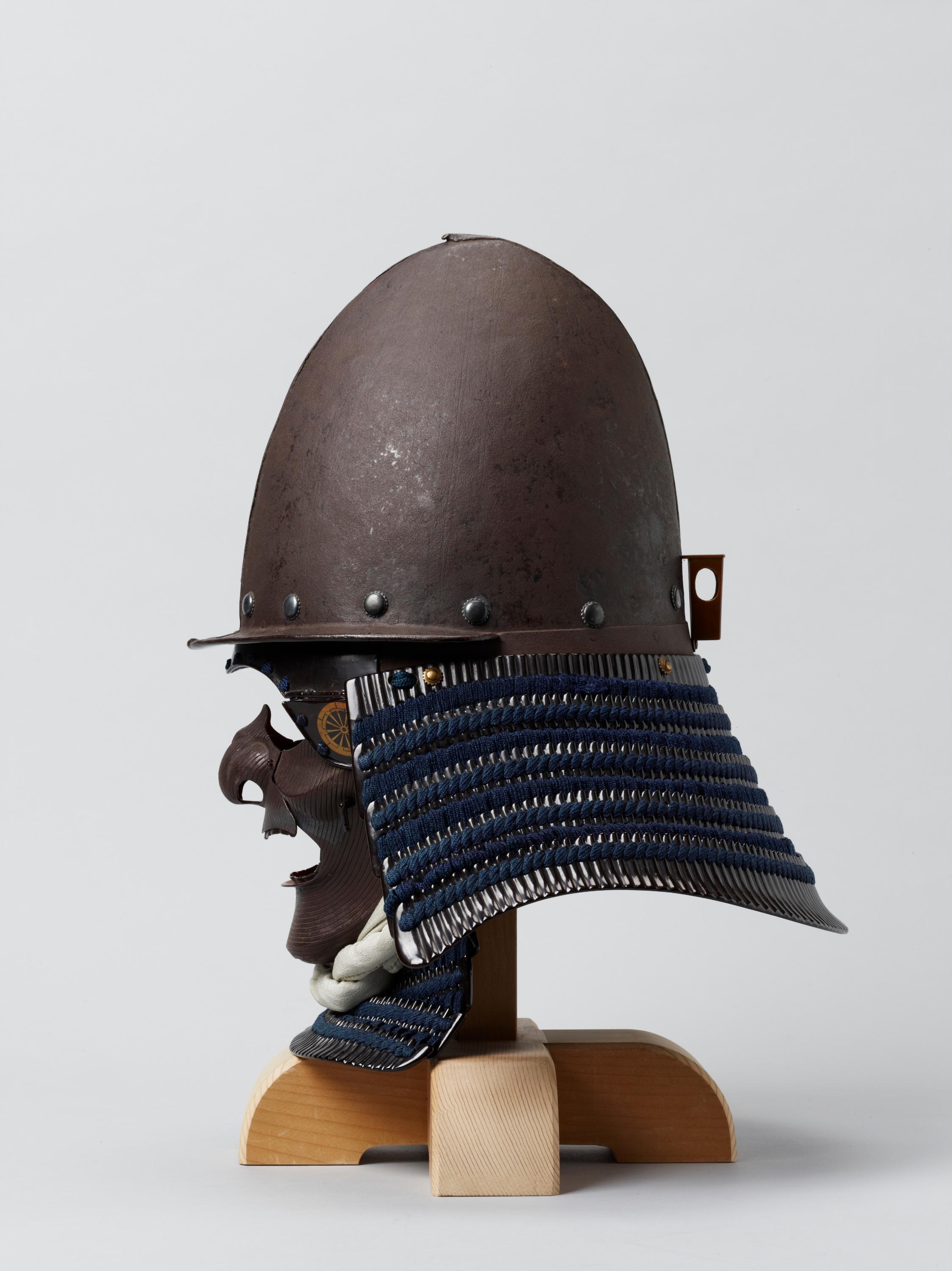
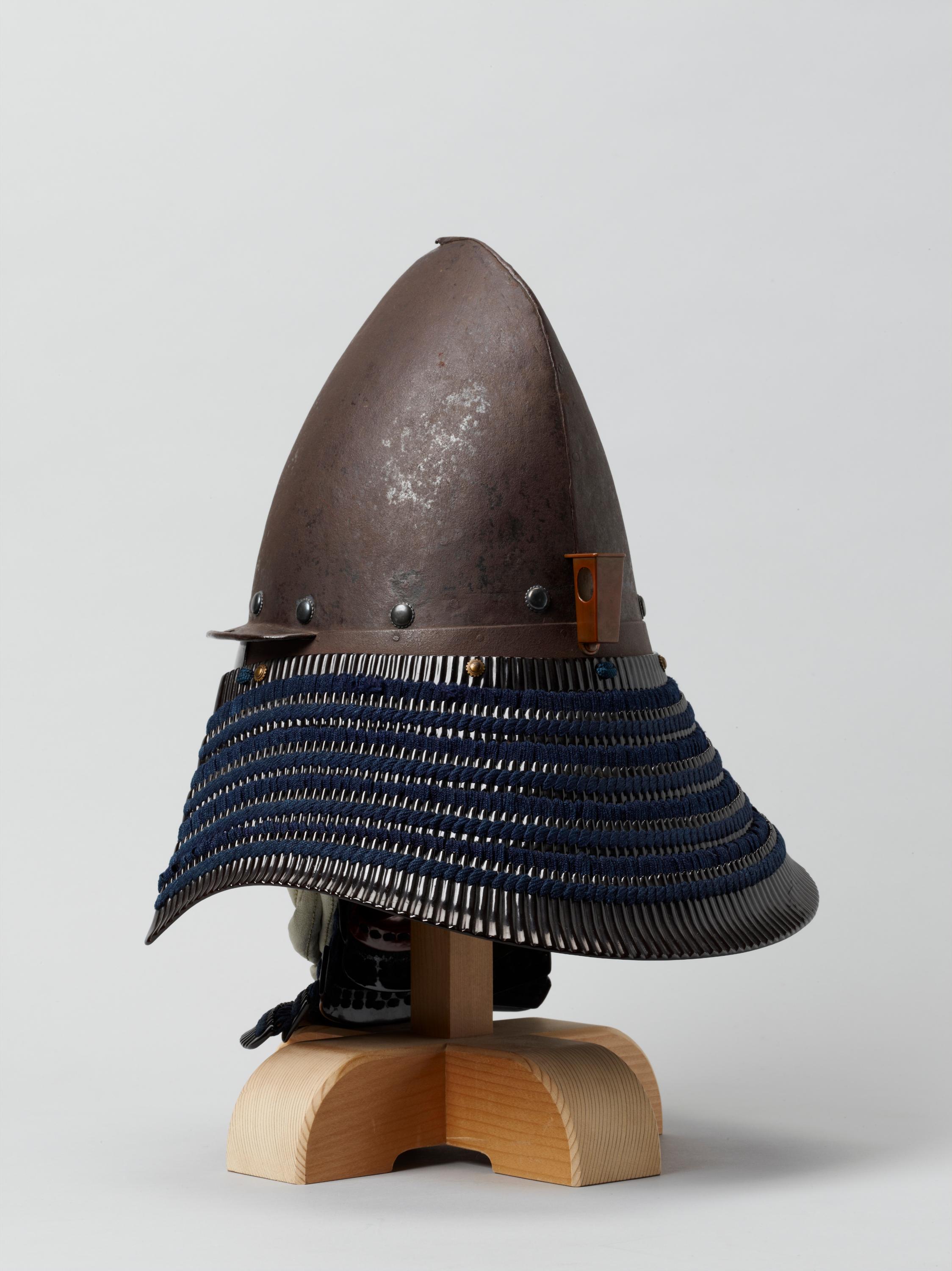
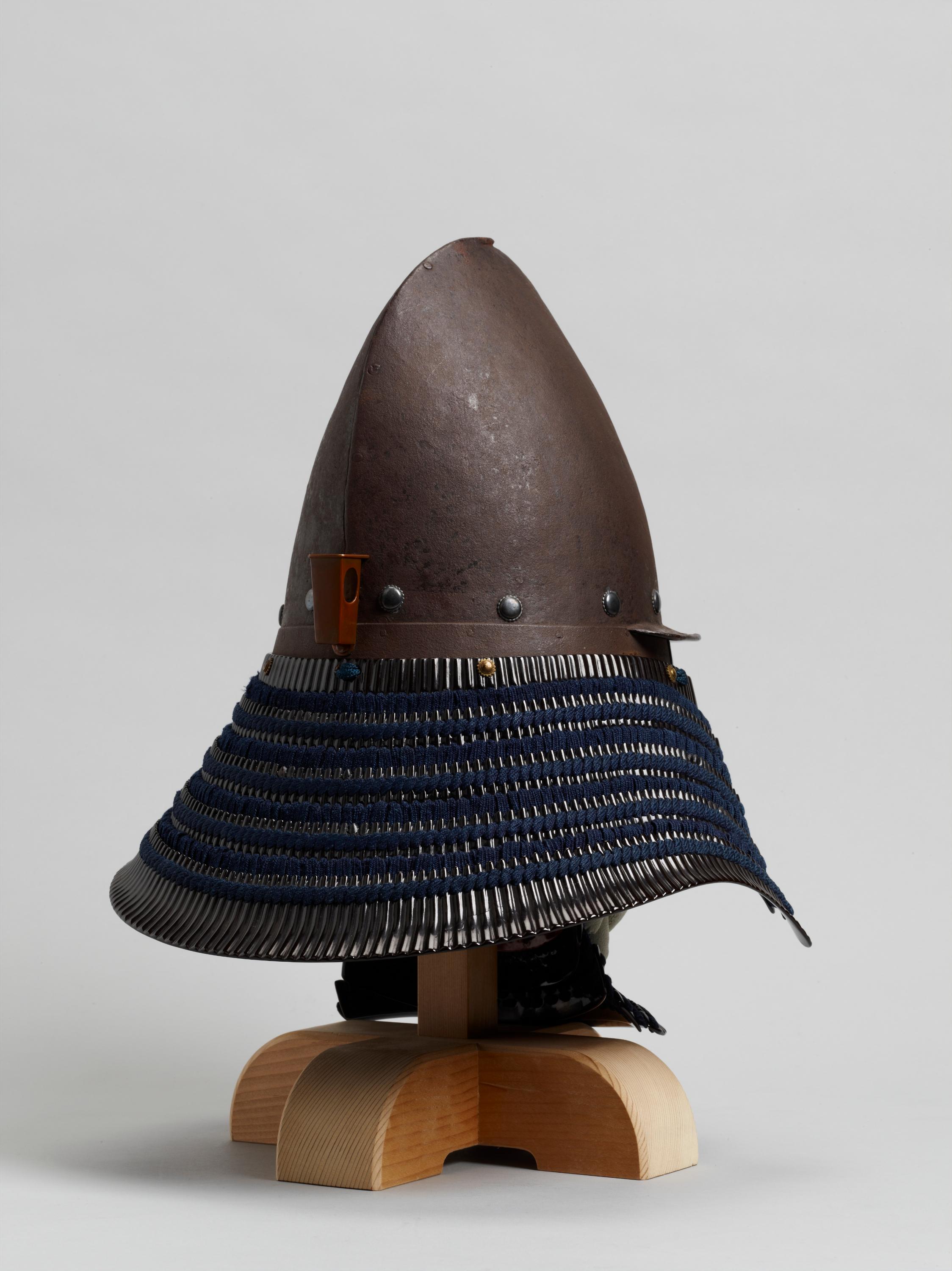
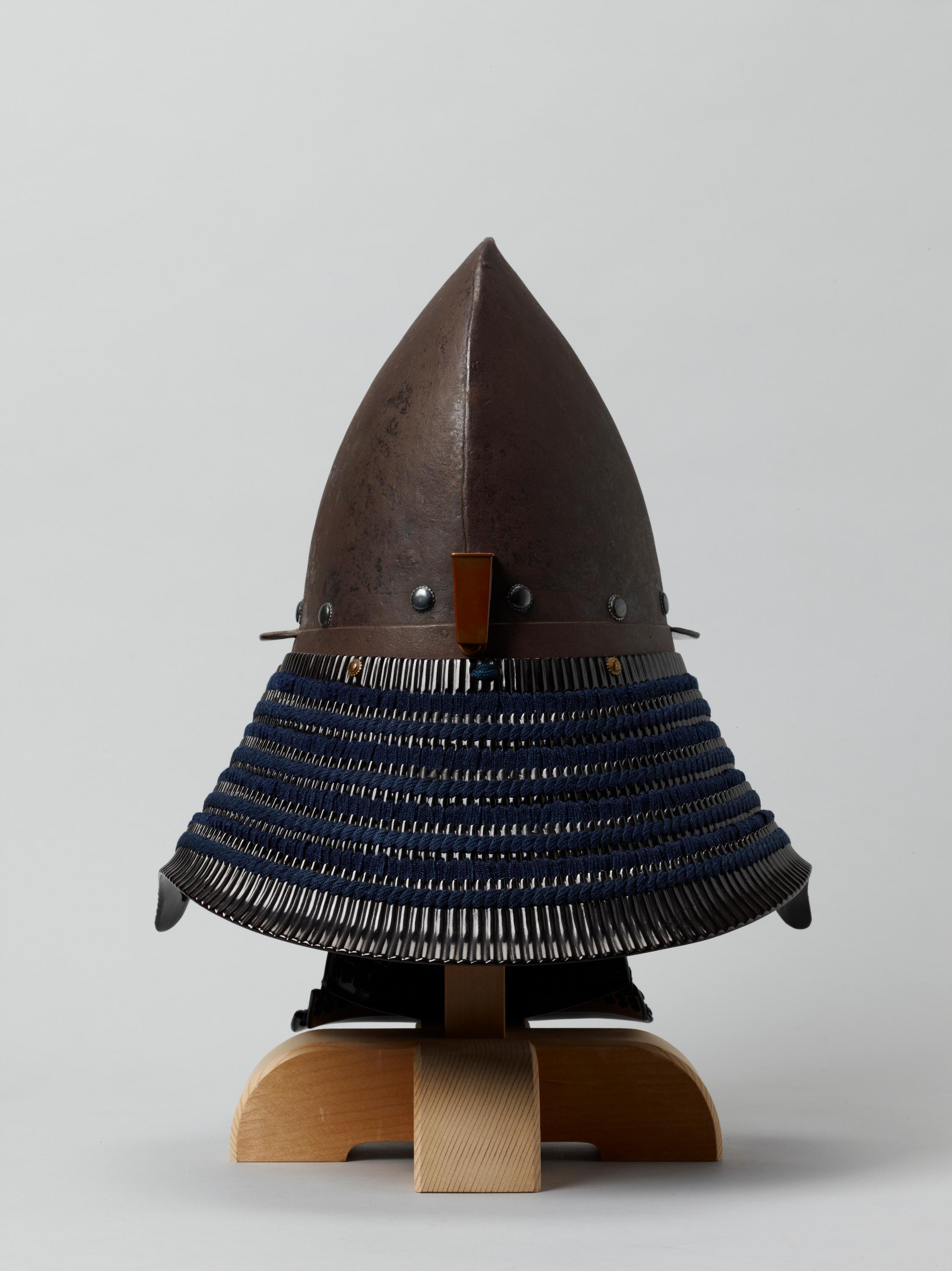
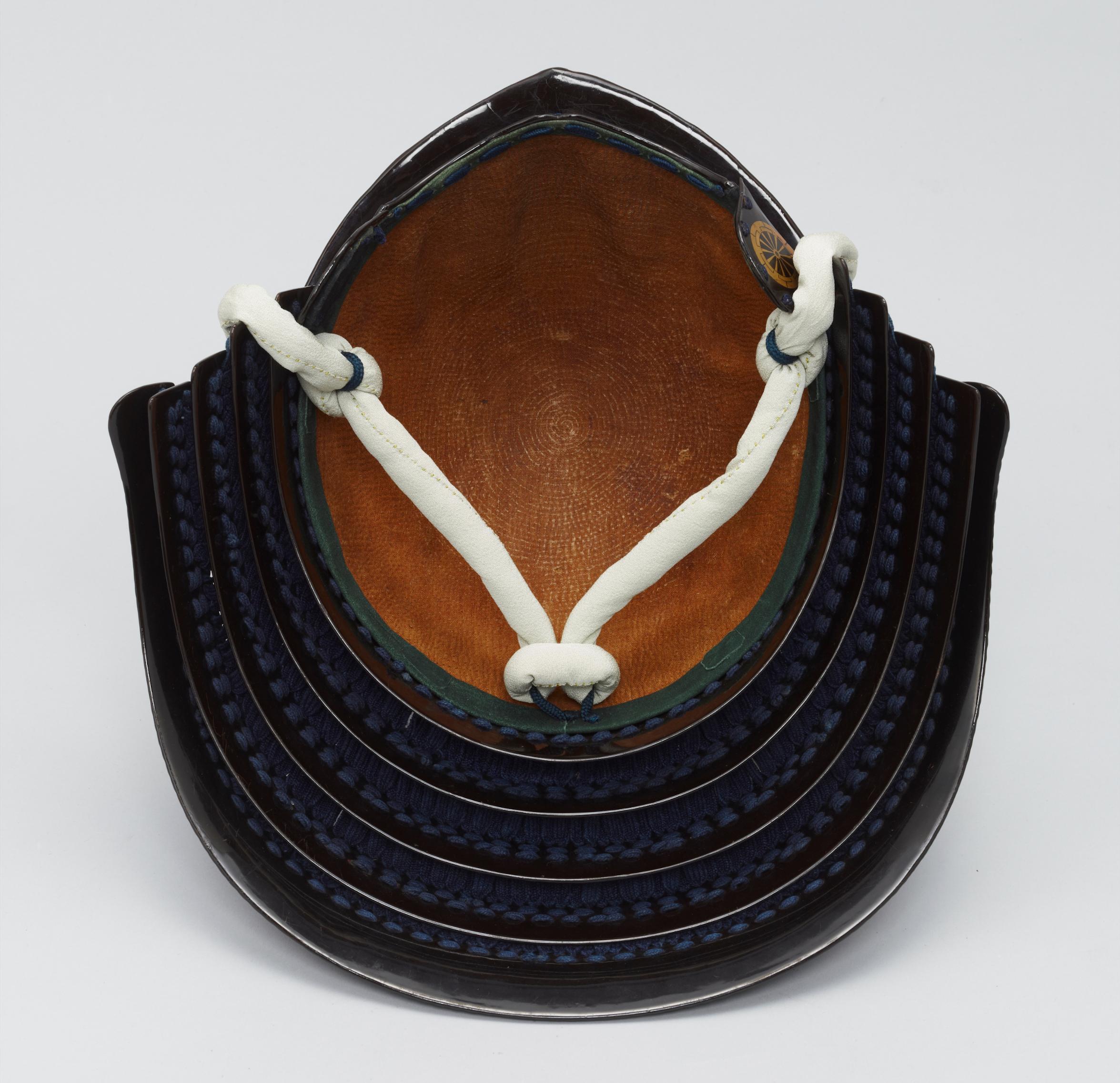
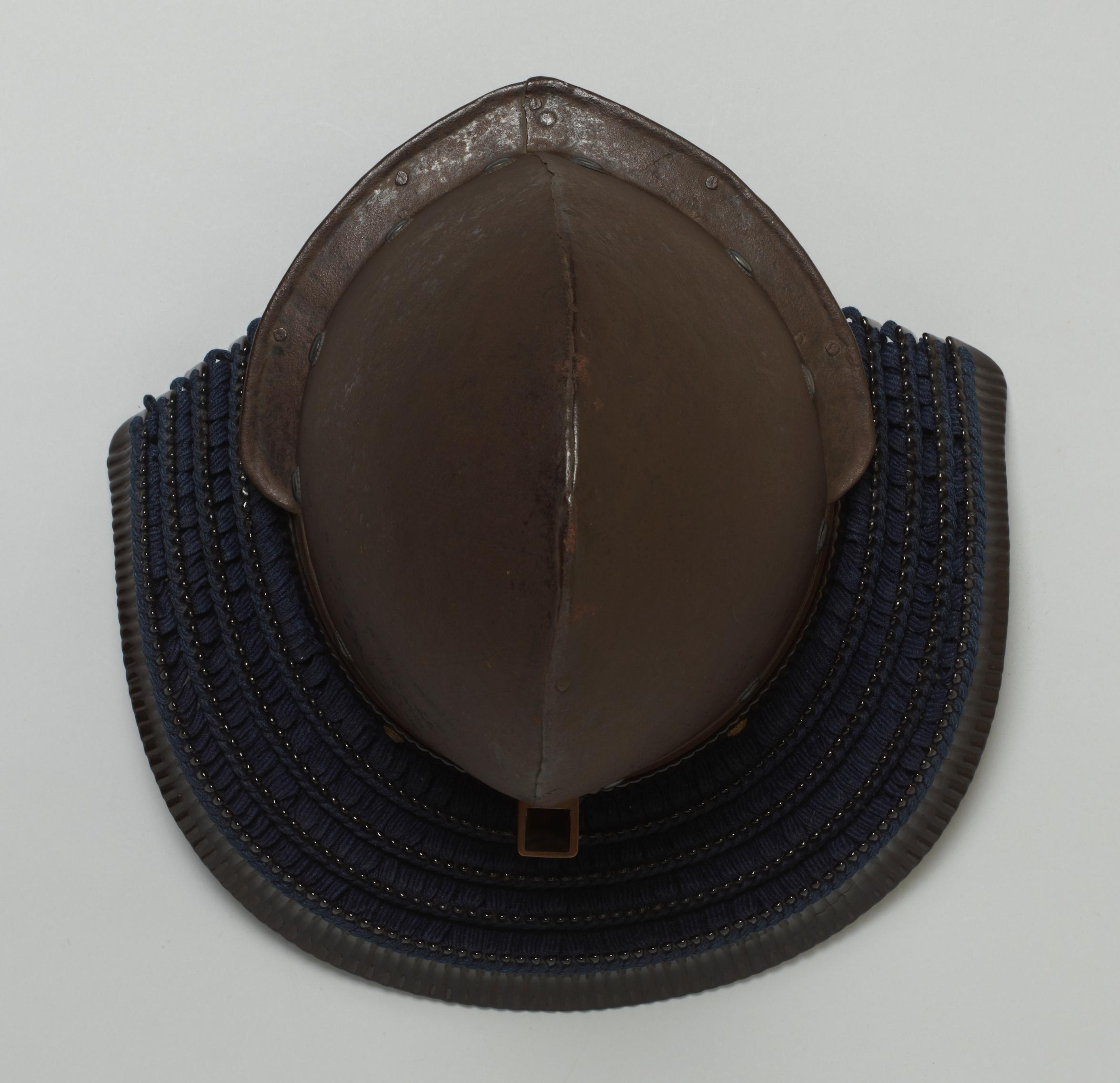
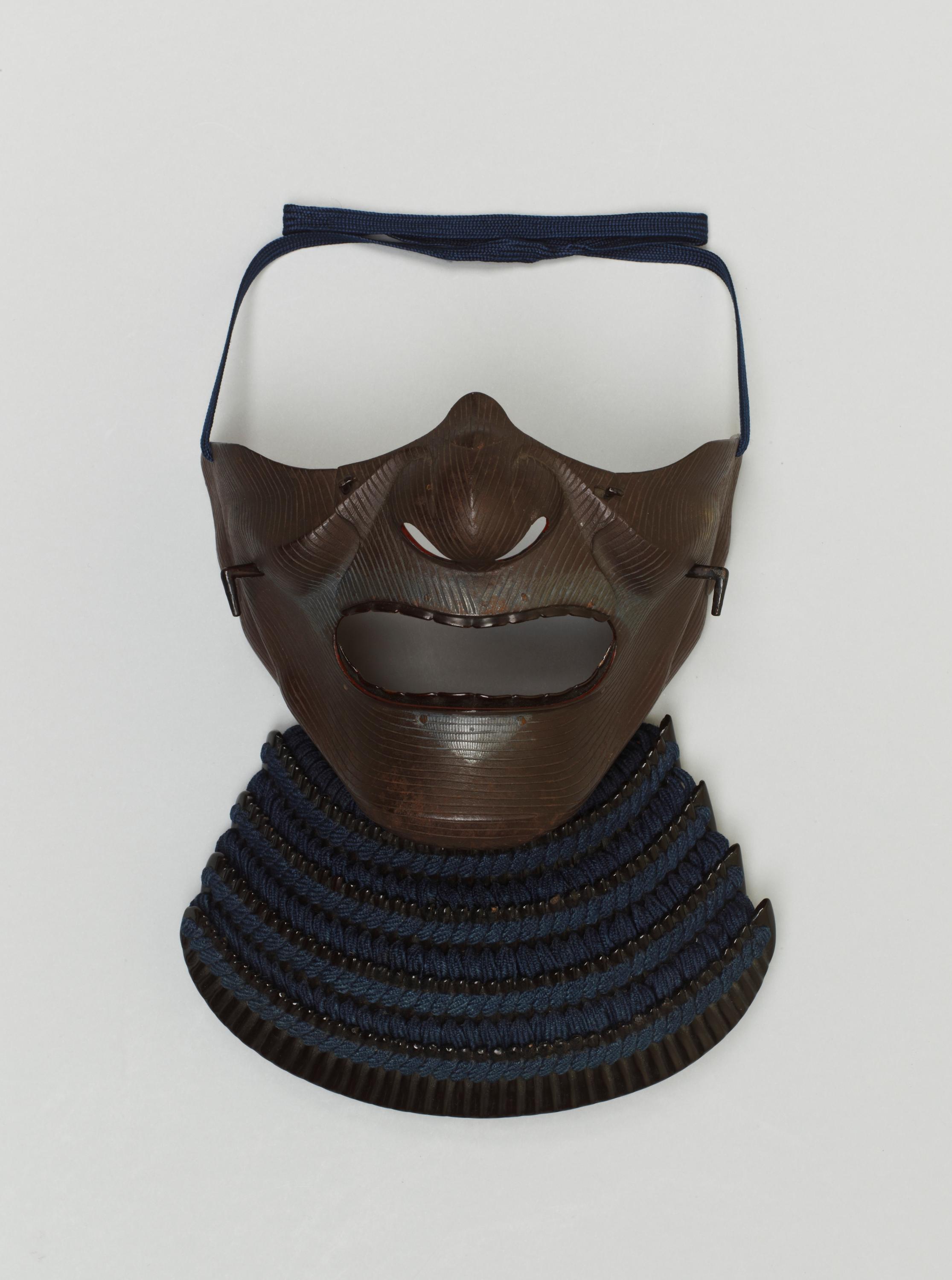
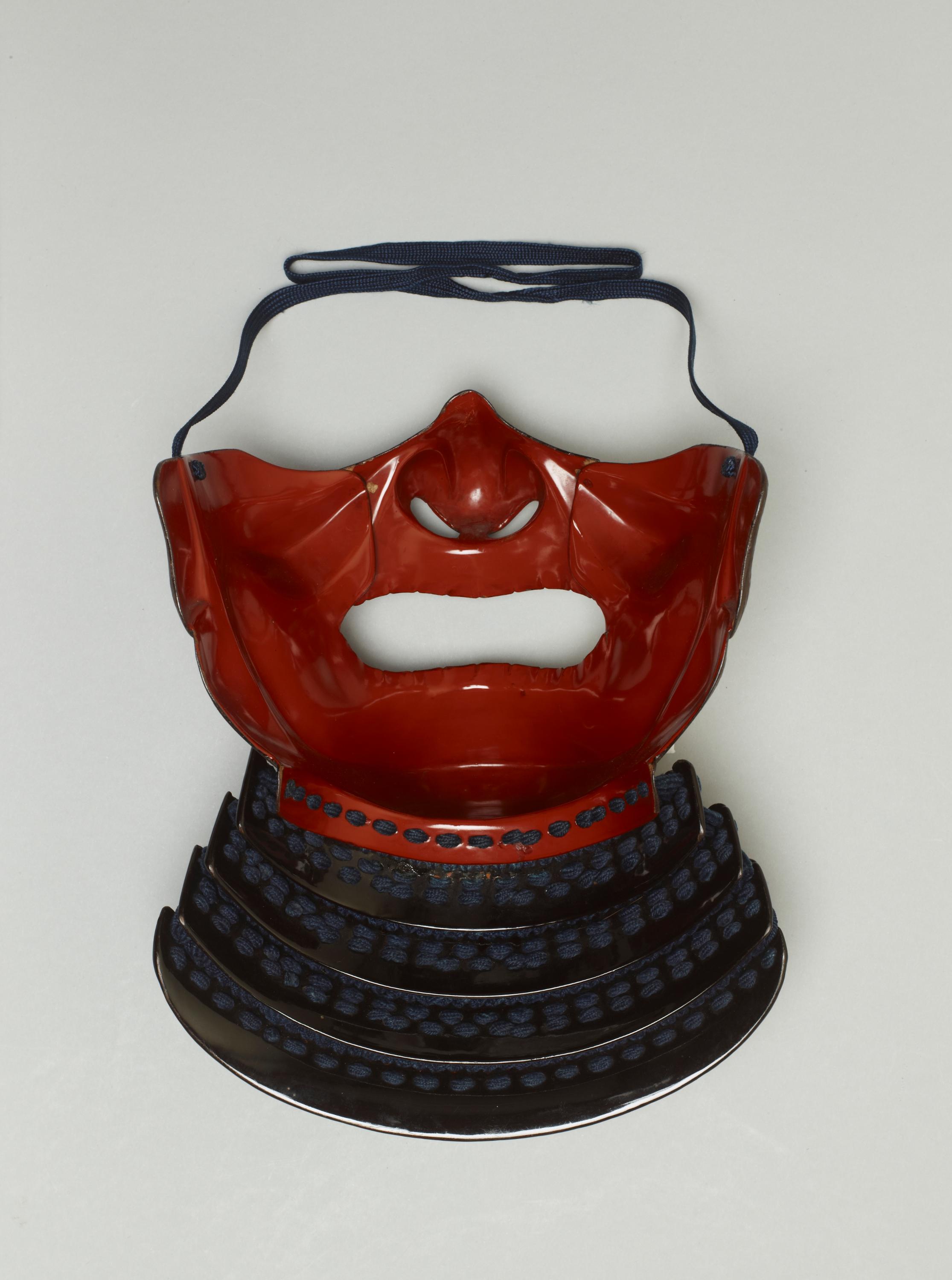
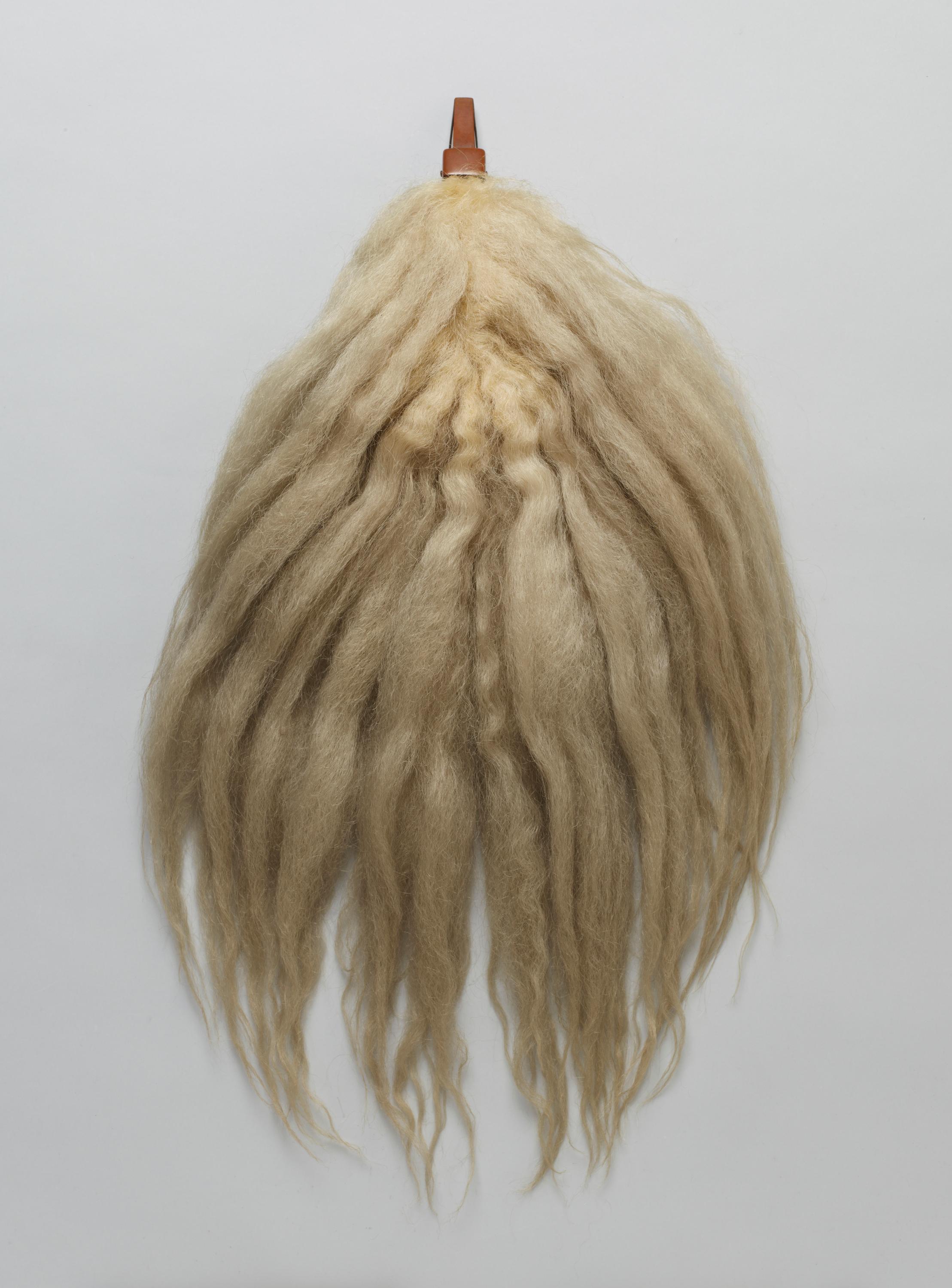
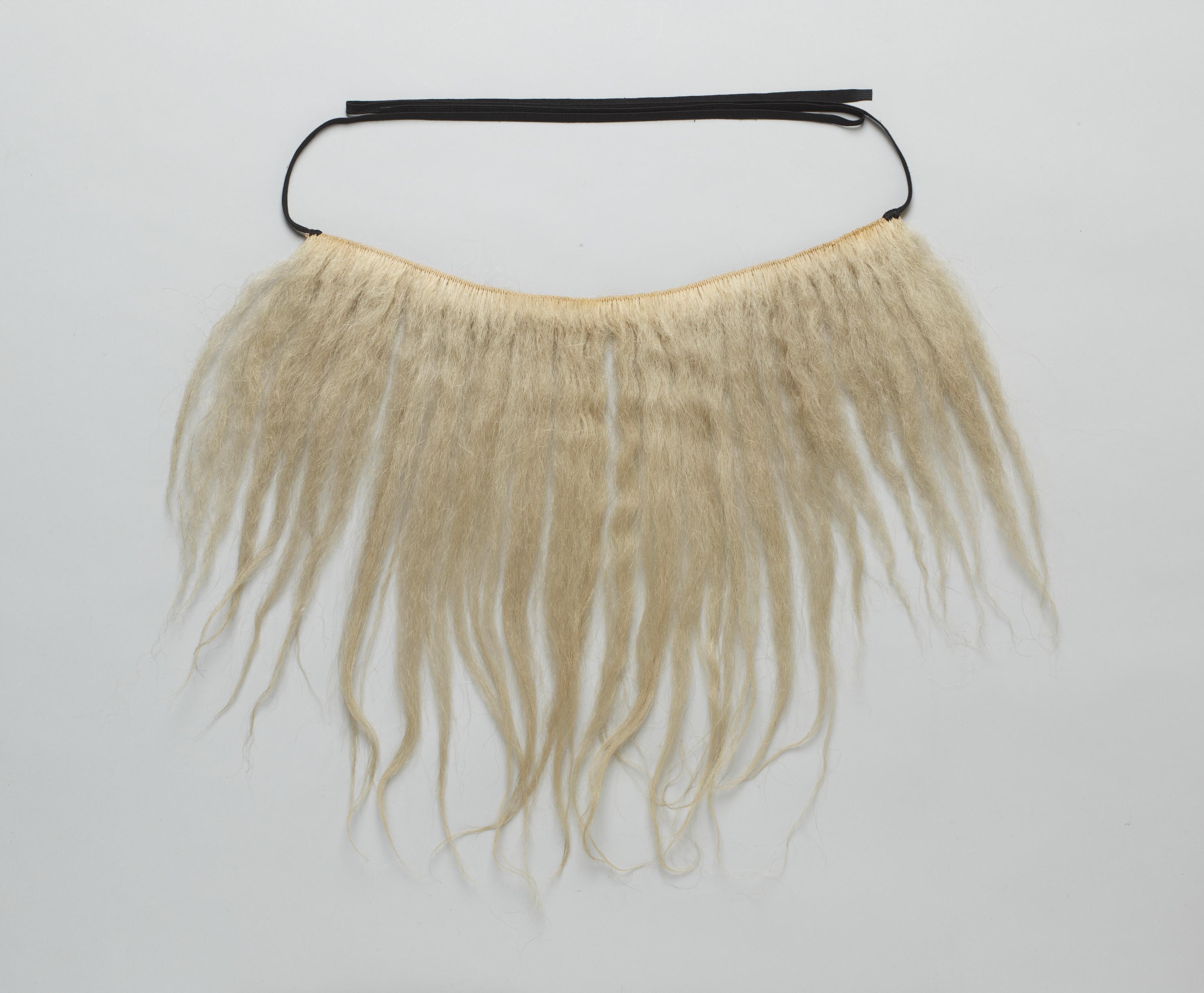
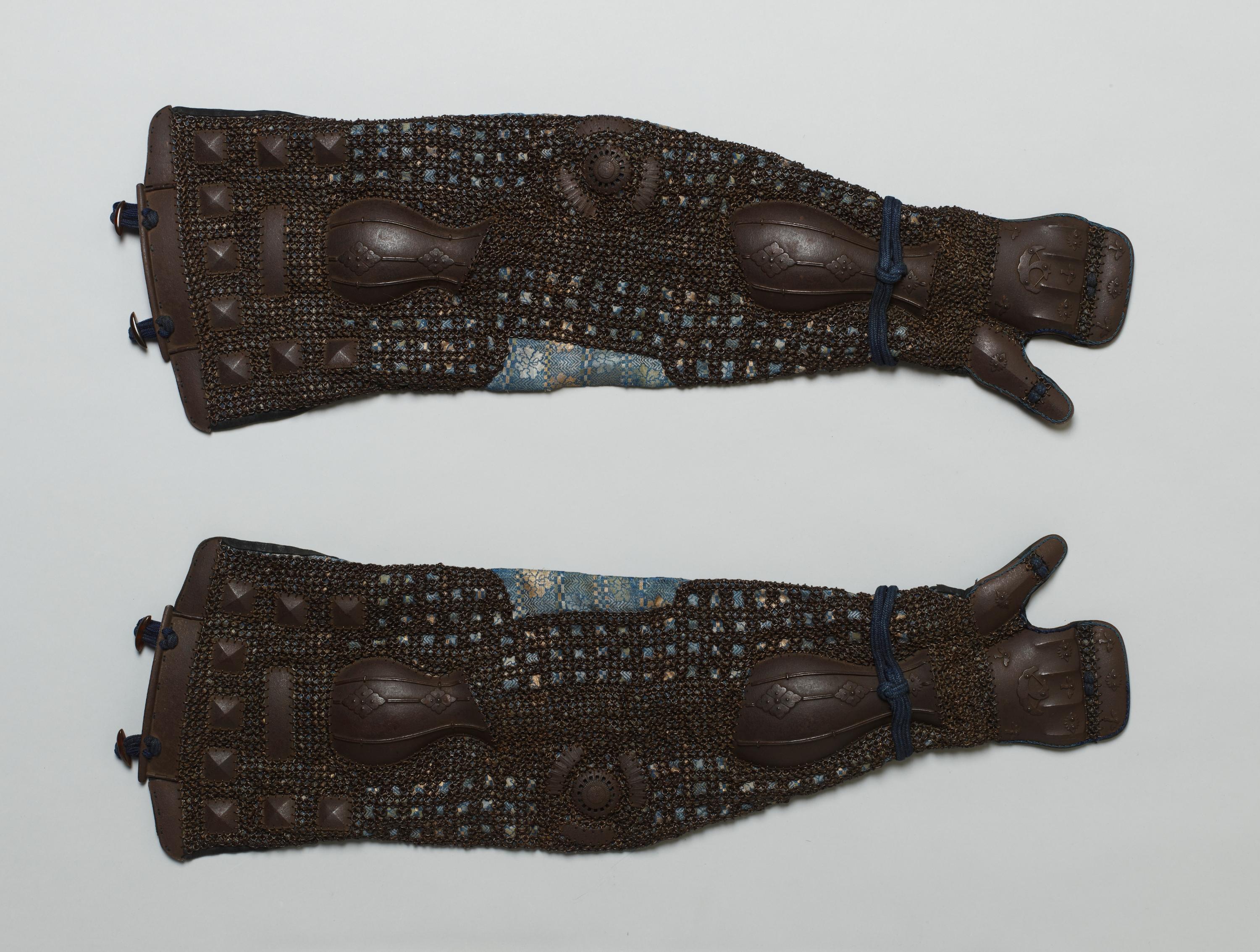
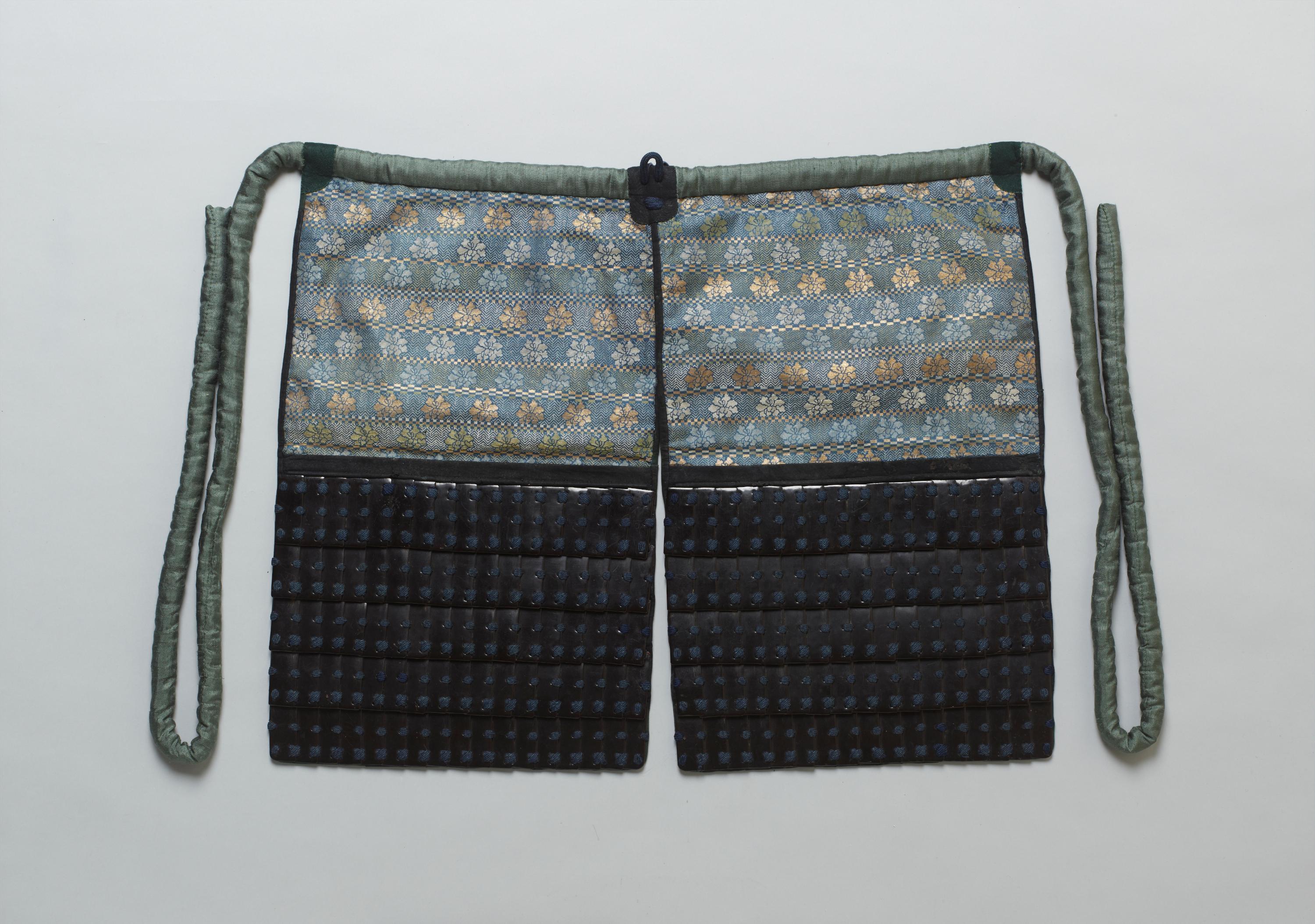
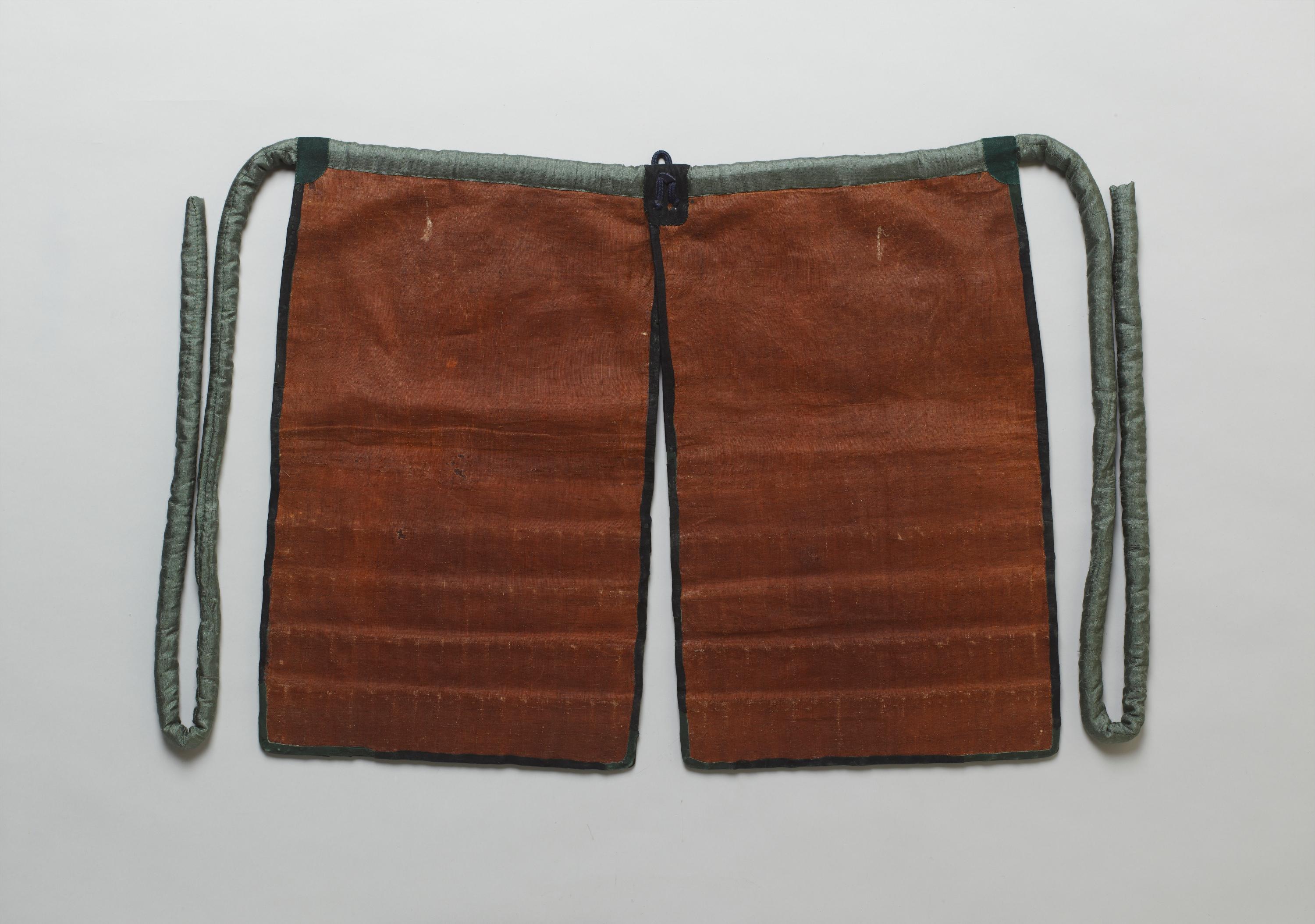
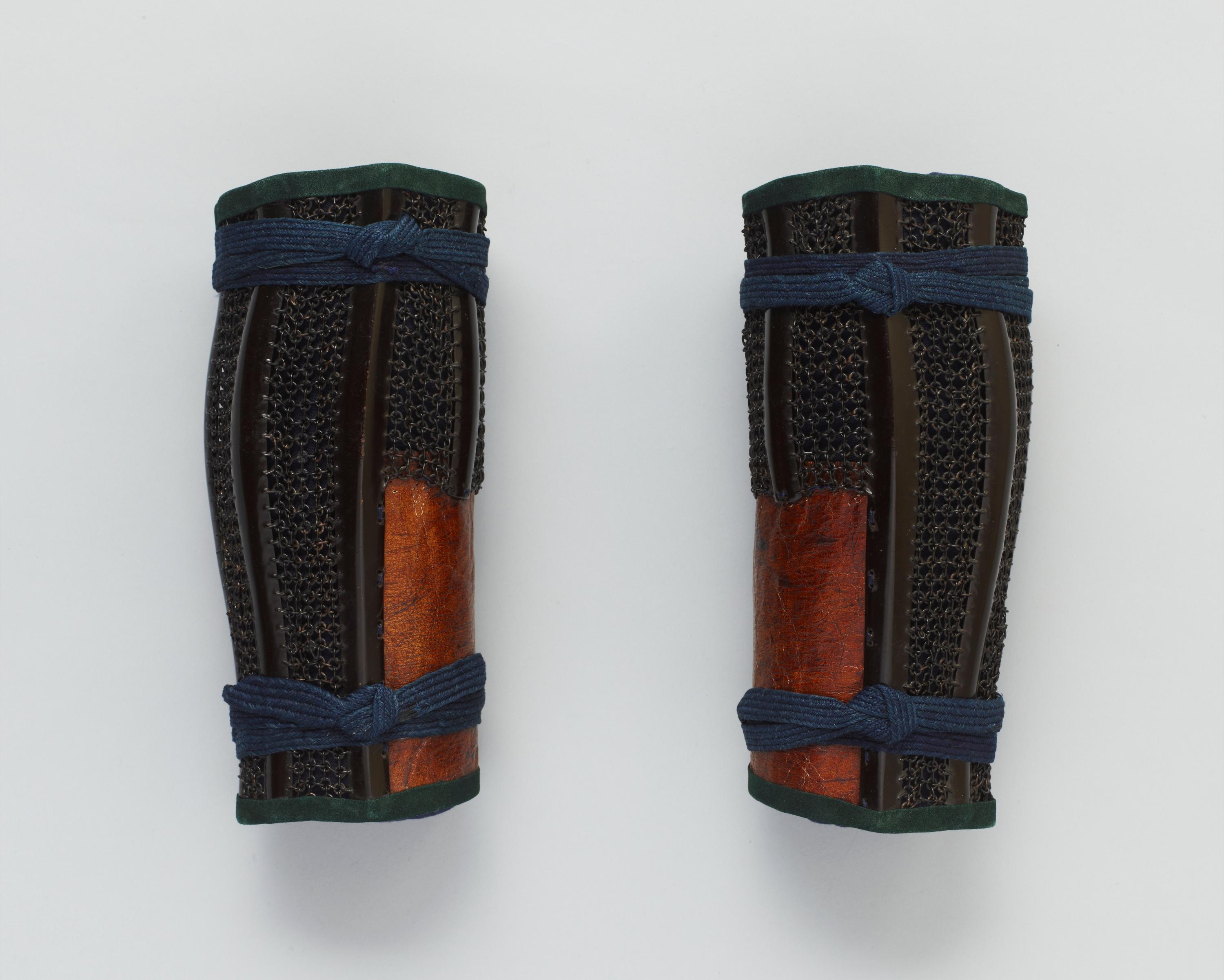
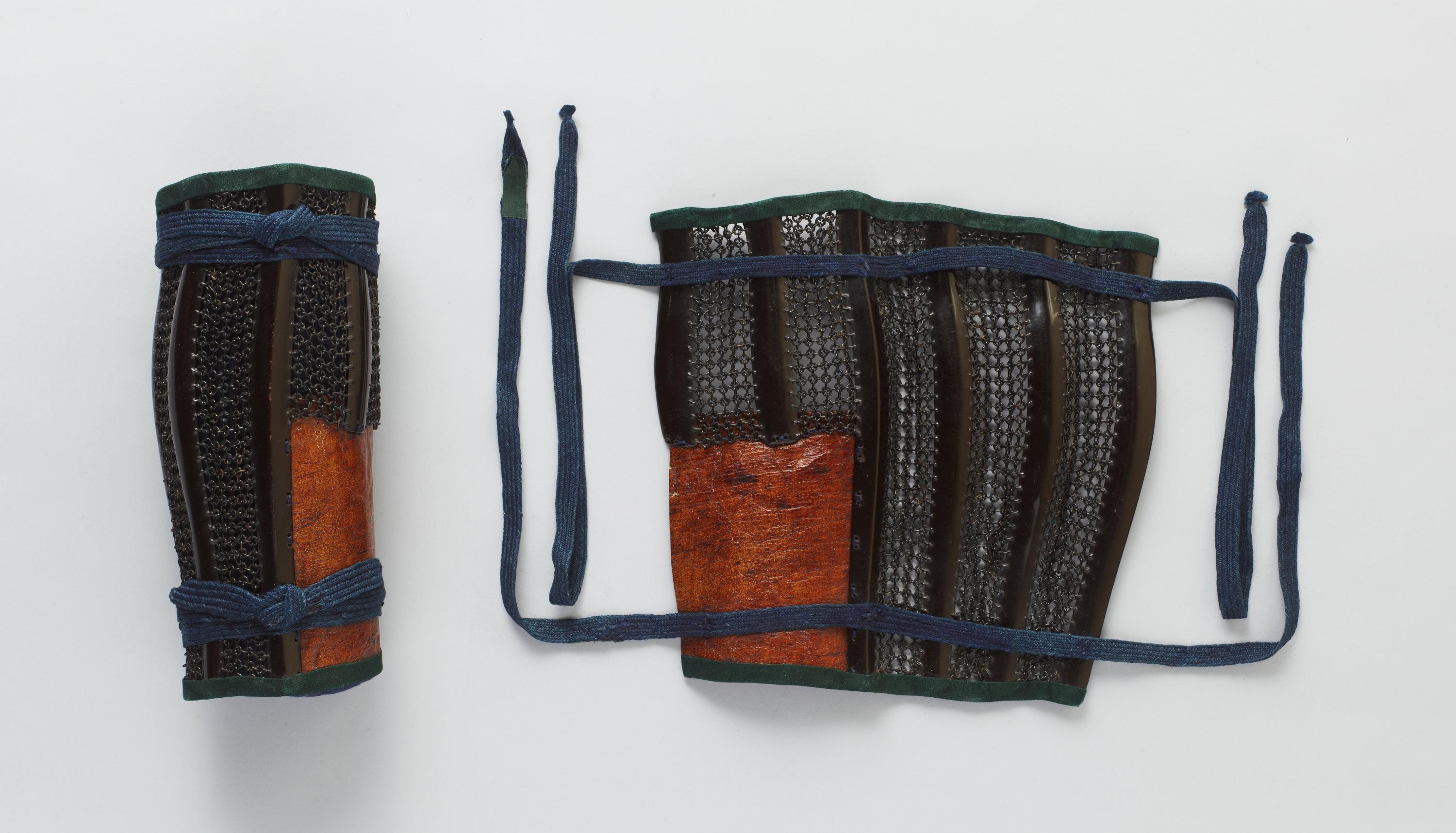
The cuirass is of iron, formed with a prominent central ridge, the sides of the waist cut upward, and the rear plate shortened in the European manner, yet it is fitted with a Japanese-style hinge on the right side, indicating domestic manufacture. The helmet bowl is thought to be an imported European piece to which a Japanese neck guard has been attached; white yak hair, then prized as an exotic luxury material, forms the decorative collar and the rear ornaments that imitate European plumes. The plates are laced with dark-blue silk, giving the armor its name. Cheek guards, arm guards, thigh guards, and shin guards complete the set, while the Genji-guruma family crest of the Sakakibara was later applied in lacquer on either side of the helmet bowl, almost certainly after the armor had been received from Ieyasu.
With its sharply pointed cuirass and helmet crowned by a mass of white yak hair, the armor presents an exotic silhouette quite different from the usual image of Japanese armor and vividly reflects the taste for eye-catching forms that characterized the Azuchi-Momoyama era of vigorous overseas contact.
Read more
/
/
/
Dark Blue Silk-Laced Armor with Nanban-style Cuirass and White Yak Haired Helmet